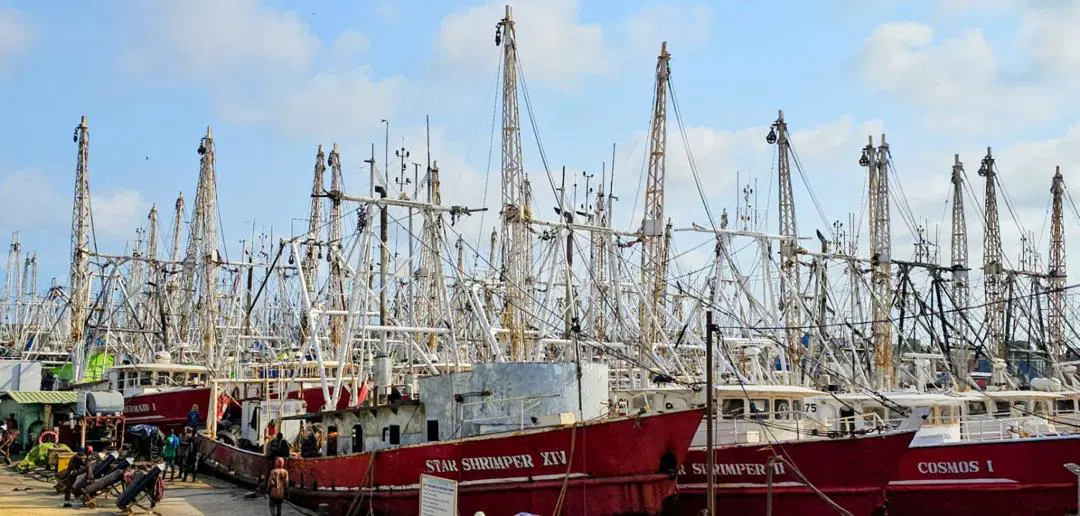
Nigeria’s fishing industry is under intense pressure. As diesel prices surge to record levels, nearly 80 percent of fishing vessels have been forced to halt operations, creating a ripple effect that is now being felt from coastal waters to urban food markets.
For many operators, the decision to dock vessels is not strategic. It is survival. The cost of going out to sea has become so high that even successful fishing trips are no longer guaranteed to turn a profit.
Fuel costs push the industry to the brink
At the heart of the crisis is a sharp rise in diesel prices. What once cost around ₦900 per litre has now climbed to between ₦1800 and ₦2000. This dramatic increase has more than doubled fuel expenses for fishing operators across the country.
For industrial trawlers that rely entirely on diesel, there is no easy alternative. Fuel is not just one part of the cost structure. It is the backbone of every fishing expedition. Without it, vessels cannot leave shore. With it priced this high, many simply cannot afford to try.
Oladele Robinson, National Executive Secretary of the Fisheries Cooperatives Federation of Nigeria, highlighted the strain on both ends of the sector. Small-scale fishers depend on petrol, while large trawlers rely on diesel. Both groups are now facing rising costs that are making routine operations increasingly unsustainable.
Fewer vessels, lower supply, higher prices
The impact of grounded vessels is already visible in Nigeria’s markets. At the Ijora Fish Market, one of the country’s major seafood hubs, traders report a noticeable drop in deliveries from local trawlers.
When supply falls, prices rise. That is exactly what is happening.
Urban markets are experiencing tighter fish availability, pushing retail prices higher and placing additional pressure on consumers. For many households, fish is one of the most affordable and accessible sources of protein. As prices climb, food budgets are stretched even further.
This is not just a sector issue. It is a food security concern.
When fishing trips stop making sense
Fishing is a business built on risk, but it has now reached a point where the numbers simply do not add up.
Long-distance fishing expeditions can last up to 50 days. In the past, a strong catch would justify the cost of fuel, labor, and maintenance. Today, that balance has shifted.
Operators say that even when catches are good, the revenue often fails to cover the cost of diesel and other operational expenses. The result is predictable. Vessel owners are choosing to stay in port rather than take on guaranteed losses at sea.
Jobs and livelihoods at risk
The consequences extend far beyond vessel owners. Nigeria’s fishing industry supports a wide network of jobs, from crew members and processors to traders and transporters.
Industry estimates suggest that up to 10,000 direct and indirect jobs could be at risk if the current situation continues. Each idle vessel represents lost income not just for the owner, but for everyone connected to its operations.
Communities that depend on fishing are particularly vulnerable. When boats stop moving, entire local economies slow down.
Global factors driving local challenges
While the crisis is playing out in Nigeria, its roots are partly global. Disruptions in international oil markets, including geopolitical tensions involving Iran, have contributed to rising energy prices and supply instability.
For a sector that depends heavily on fuel, these global shifts translate quickly into local challenges. Unlike some industries, fishing has limited short-term flexibility. Operators cannot easily switch to alternative energy sources or significantly reduce fuel consumption without affecting output.
Calls for urgent policy support
As pressure mounts, industry stakeholders are calling for intervention. Proposed measures include targeted fuel subsidies, financial support programs, and policy adjustments aimed at stabilizing operations.
The argument is straightforward. The fishing sector plays a critical role in food supply and employment, yet it remains highly exposed to fuel price volatility. Without support, the risk is not just reduced output, but long-term damage to the industry.
There is also a growing recognition that broader structural solutions may be needed. Investments in energy efficiency, alternative fuels, and modernized fleets could help reduce dependence on diesel over time. However, these are longer-term strategies that require capital and planning.
A fragile balance between cost and food security
Nigeria’s fishing crisis highlights a delicate balance. On one side is the cost of production. On the other is the need to keep food affordable and accessible.
When fuel prices rise sharply, that balance breaks. Operators cannot sustain losses, supply drops, and consumers pay more. The entire system becomes strained.
For policymakers, the challenge is to find a way to support the sector without creating long-term distortions. For industry players, the focus is on survival and adaptation.
What lies ahead for Nigeria’s fishing industry
The current situation is a turning point. If diesel prices remain high and no support measures are introduced, more vessels could remain idle, deepening supply shortages and pushing prices even higher.
At the same time, the crisis may force a rethink of how the industry operates. Greater efficiency, better cost management, and new investment in infrastructure could emerge as priorities.
For now, the immediate concern is clear. Nigeria’s fishing industry is under strain, and the effects are being felt across the economy. From fishermen to market traders to everyday consumers, the impact is real and growing.
The coming months will determine whether the sector can stabilize or whether the current disruption becomes a longer-term challenge for one of the country’s most important food industries.
Stay updated with the latest farming tips and agriculture industry news from Africa by subscribing to our newsletter. Don’t miss out on valuable insights and updates. Follow us on Twitter, LinkedIn, and Facebook to join our farming community and stay connected with us.