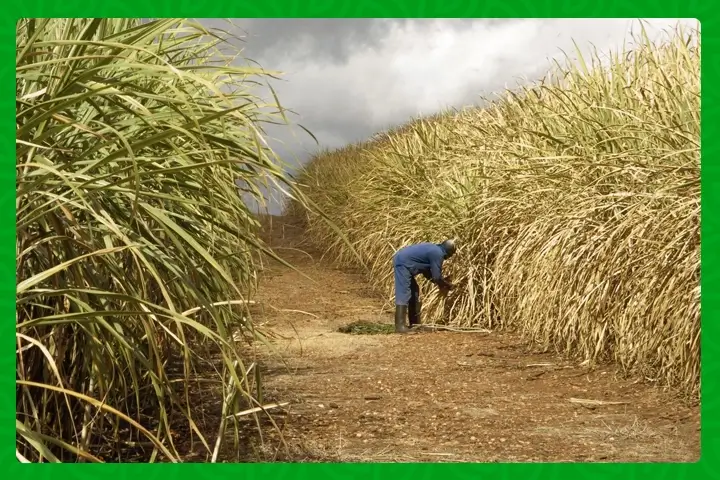
The Kenya Sugar Board has reduced the minimum sugarcane price from KSh 5,750 to KSh 5,500 per tonne, in a move that reflects changing market conditions, rising cane supply, and pressure on millers to stay financially afloat.
The new pricing directive takes effect immediately, following consultations by the Interim Sugarcane Pricing Committee during meetings held on April 17 and April 24, 2026. In a notice signed by Acting CEO Jude Chesire on April 25, the board instructed all millers to comply with the revised rate and make payments to farmers on time.
The decision marks a reversal of the earlier cane price and comes at a time when Kenya’s sugar industry is trying to balance farmer welfare, factory sustainability, and market realities. While the reduction may come as disappointing news to some farmers, the government says the move was necessary to keep the sector stable.
According to the Ministry of Agriculture and Livestock Development, the review was driven by a sharp increase in sugar production and a stronger supply of cane across the country. With more sugar entering the market, prices have softened, putting pressure on millers and creating a need for a fresh pricing structure.
The ministry explained that the country has seen sugar prices fall from around KSh 7,000 to between KSh 6,000 and KSh 6,100 per 50kg bag. That shift has made it harder for factories to maintain operations under the old cane pricing formula, especially as inventories grow and market margins tighten.
Some millers had reportedly pushed for an even lower cane price of KSh 5,000 per tonne. However, the government settled on KSh 5,500, saying the adjustment was intended to cushion farmers while still giving factories room to operate. In its view, the new rate remains competitive in the region and strikes a practical balance between production costs and farmer earnings.
The revised price applies to major millers, including West Kenya Sugar Company, Kibos Sugar and Allied Industries, Butali Sugar Mills, and Mumias Sugar (2021) Limited, among others. These companies are now expected to align their payment systems with the new directive and ensure farmers receive their dues without unnecessary delays.
For cane growers, the change highlights the ongoing challenge of earning fair returns in a market shaped by supply swings, factory performance, and government policy. Even so, the Kenya Sugar Board says the latest price is designed to support the wider industry, protect jobs, and help factories remain operational in a difficult trading environment.
At its core, the review signals a sector under strain but still in motion. Higher cane availability is good news for production, yet it also creates pricing pressure that the industry cannot ignore. By trimming the minimum cane price to KSh 5,500 per tonne, the government is betting that a moderated rate will help keep mills running while preserving some value for farmers.
As the new directive takes effect, attention will now turn to how millers respond, whether farmer payments are made promptly, and how the market settles in the weeks ahead. For Kenya’s sugar sector, the latest price cut is more than a policy update. It is a reminder of how quickly supply, demand, and sustainability can reshape the business of sugarcane.
Stay updated with the latest farming tips and agriculture industry news from Africa by subscribing to our newsletter. Don’t miss out on valuable insights and updates. Follow us on Twitter, LinkedIn, and Facebook to join our farming community and stay connected with us.