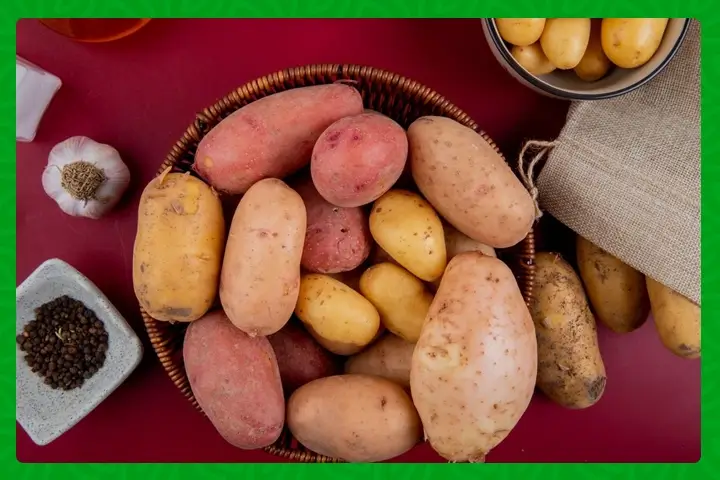
Kenya’s potato industry is entering a powerful growth phase. With production reaching 2.118 million tons in 2024 and exports rising by an impressive 97.6 percent to nearly 250,000 tons, the sector is quickly transforming into one of the country’s most dynamic agricultural success stories.
This surge is not happening in isolation. It reflects a combination of rising regional demand, expanding production zones, and a growing recognition that potatoes are more than a staple crop. They are a commercial opportunity with significant untapped value.
A booming sector with regional reach
Kenya’s potato exports are gaining traction, with Uganda emerging as the primary destination. The near doubling of export volumes in a single year signals strong demand across borders and highlights Kenya’s position as a key supplier within East Africa.
At home, potatoes are grown in 29 counties, mainly in highland regions between 1,500 and 3,000 metres above sea level. These conditions provide an ideal environment for cultivation, supporting consistent production across different parts of the country.
According to Severino Manene, Assistant Director for Agriculture at the Ministry of Agriculture and Livestock Development, the crop’s adaptability and farmer expertise are helping to drive its rapid expansion.
The yield gap that holds the key to growth
Despite strong output, Kenya’s potato sector still operates far below its full potential. Current yields average about 10 tons per hectare, while the genetic potential of modern varieties ranges between 30 and 40 tons per hectare.
This gap represents one of the biggest opportunities in the sector.
Most potato farming in Kenya is done by smallholder farmers, with about 90 percent operating on plots between half an acre and two acres. These farmers face a range of challenges, including limited crop rotation, pest pressure, disease outbreaks, and inconsistent access to high-quality seed.
Addressing these constraints could dramatically increase productivity without the need for major land expansion. In simple terms, Kenya does not just need more land under potatoes. It needs better yields from the land already in use.
Climate resilience and seed innovation take center stage
Climate change is reshaping how farmers approach production. Erratic rainfall patterns and rising disease risks, particularly late blight, are pushing the need for more resilient potato varieties.
Efforts to develop these varieties are already underway. Research institutions such as KALRO, working alongside international partners like the International Potato Centre, are leading breeding programs aimed at improving both yield and resilience.
For the private sector, this opens up clear opportunities. Seed development and multiplication are becoming critical parts of the value chain. High-quality, climate-resilient seed can significantly boost productivity and reduce losses, making it a high-impact investment area.
Technology is expanding production cycles
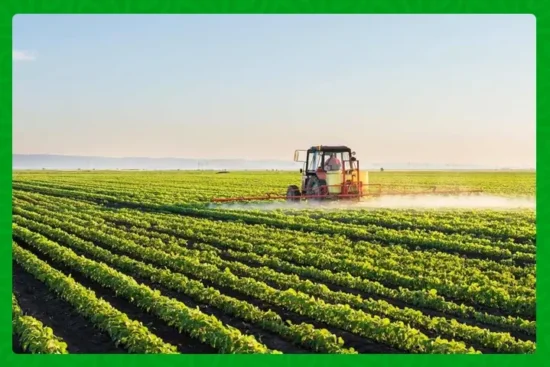
Technology adoption is beginning to change how potatoes are grown in Kenya. Irrigation, in particular, is playing a key role in extending production beyond the traditional rainy seasons.
With irrigation, farmers can increase the number of growing cycles each year, improving both output and income stability. This shift is helping to smooth supply and reduce dependence on seasonal rainfall, making the sector more resilient overall.
The rise in seed potato exports also reflects this progress. Exports reached 1,125 tons in 2025, up sharply from just 128 tons the previous year, with an average price of US$502 per ton. This growth signals rising regional demand for quality planting material and positions Kenya as a supplier of not just food, but agricultural inputs.
Processing remains the missing link
While production and exports are growing, Kenya’s potato sector still faces a major gap in processing capacity.
Processed exports remain low at just 340 tons, while imports of processed potato products reached 940 tons in 2025. This imbalance highlights a clear opportunity. Kenya is producing large volumes of raw potatoes but capturing only a small share of the value added through processing.
For investors, this is one of the most compelling entry points. Processing facilities can transform raw potatoes into higher-value products such as chips, frozen fries, and packaged foods, creating new revenue streams and reducing reliance on imports.
Urban demand is reshaping the market
Changing consumer patterns are also driving growth. As more people move from rural areas to cities, demand for convenient and affordable food is rising.
Potatoes fit perfectly into this shift. They are versatile, widely consumed, and adaptable to both traditional and modern diets. From street food to fast food chains, potatoes are becoming a staple of urban eating habits.
This growing demand is not limited to Kenya. Across East Africa, urbanization is creating new markets for potato products, further boosting export opportunities.
A sector with strong economic impact
The potato value chain contributed 61 billion Kenyan shillings, equivalent to about US$470 million, to the economy in 2024. This figure underscores the sector’s importance not just to agriculture, but to the broader economy.
As production increases and value chains strengthen, this contribution is likely to grow. More output means more income for farmers, more business for traders and processors, and more opportunities for investors.
Where the real opportunities lie
Kenya’s potato sector is at a turning point. The fundamentals are strong, but the next phase of growth will depend on how effectively key gaps are addressed.
Cold storage infrastructure is essential to reduce post-harvest losses and stabilize supply. Processing facilities can unlock higher-value markets and reduce import dependence. Seed multiplication ventures can bridge the gap between current yields and genetic potential.
These are not isolated opportunities. They are interconnected parts of a value chain that is ready for expansion.
The road ahead for Kenya’s potato industry
Kenya has the natural conditions, the farmer base, and the growing market demand to become a regional powerhouse in potato production. What it needs now is investment, innovation, and coordination across the value chain.
Severino Manene summed up the sector’s promise clearly, pointing to the country’s favorable growing conditions, skilled farmers, and increasing access to technology and improved varieties.
The surge in production and exports is only the beginning. With the right strategies in place, Kenya’s potato industry has the potential to deliver even greater value, both at home and across the region.
For investors and stakeholders, the message is clear. The opportunity is not just in growing more potatoes. It is in building a smarter, more efficient, and more profitable potato economy.
Stay updated with the latest farming tips and agriculture industry news from Africa by subscribing to our newsletter. Don’t miss out on valuable insights and updates. Follow us on Twitter, LinkedIn, and Facebook to join our farming community and stay connected with us.