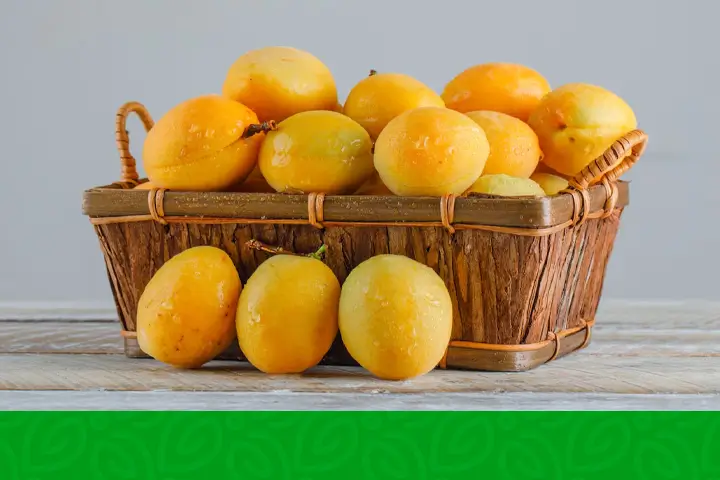
Mali’s mango export story is taking a sharp new turn. With the European Union suspending imports over persistent phytosanitary concerns linked to fruit fly infestations, Malian exporters are now looking to Morocco as a lifeline for the current season. What was once a heavily Europe-dependent trade route is being forced into a new direction, and the consequences are already being felt across the regional fruit market.
For exporters, this is more than a temporary detour. It is a reminder that access to premium markets depends on more than strong harvests and buyer demand. In today’s trade environment, compliance, quality control, and biosecurity matter just as much as volume.
Why Mali mango exporters are turning to Morocco
The shift toward Morocco was not planned as a growth strategy. It was a response to necessity.
According to industry players, the EU, which traditionally absorbed about 80 percent of Mali’s mango exports, suspended imports in September 2025 after repeated concerns about fruit fly contamination. During the last season alone, more than 63 shipments were intercepted at EU borders, exposing the scale of the problem and triggering the ban.
That decision cut deeply into a market that had been worth nearly US$11 million in 2024. For exporters who had built their business around European demand, the impact was immediate and severe.
Niama Djefaga, operations manager of SCS International, captured the reality plainly when he said the company was relying entirely on Morocco this season, alongside the British market, to move its fruit.
A trade shift with wider regional consequences
The redirection of Malian mangoes to Morocco is not just a trade adjustment. It is changing the flow of produce across West Africa and North Africa.
Imports into Morocco have surged dramatically, reaching 2,500 tons in January and February 2025 alone, roughly three times the amount recorded in the same period last year. That increase highlights the scale of the rerouting and the pressure it places on receiving markets.
For Morocco, the inflow presents both opportunity and risk. On one hand, the country benefits from stronger commercial activity and access to seasonal fruit supplies. On the other hand, lawmakers and industry advocates are warning that fruit rejected from Europe may carry serious biosecurity risks if not properly screened.
Biosecurity concerns are now front and center
The biggest concern surrounding this trade shift is not just market saturation. It is plant health.
Malian mangoes that fail to meet European standards may still find their way into alternative markets, but that does not mean the underlying phytosanitary risks disappear. Moroccan officials and consumer protection advocates have raised alarms about the possibility that fruit flies and other pests could enter local supply chains and threaten the country’s citrus and fruit sectors.
That concern is not theoretical. Citrus is a cornerstone of Moroccan agriculture and one of its most valuable export sectors. If pests establish themselves in orchards, the damage could be long-lasting and expensive.
MP Aicha El Kout has warned that redirected fruit could pose a threat to local citrus production, while Ali Chettour, president of the Moroccan Association for Consumer Rights Protection, has stressed that all imported and locally produced food falls under the oversight of ONSSA to ensure health and safety compliance.
The message is clear. Growth in fruit imports must be matched by vigilance at the border and strict enforcement of safety standards.
Why the EU ban matters so much for Mali
The EU ban is more than a temporary market loss. It exposes a structural weakness in the export system.
For years, Europe has been the main destination for Mali’s mangoes because it offered scale, premium pricing, and stable demand. But that same dependence also created vulnerability. When the phytosanitary system failed to keep pace with EU requirements, the entire export model came under pressure.
That is the difficult reality for exporters in many African agricultural markets. A single compliance gap can shut the door to a major customer overnight.
The lesson for Mali is urgent. Export growth cannot rest on production alone. It must be backed by strong pest management, modern packing systems, traceability, cold chain discipline, and certification processes that satisfy demanding international buyers.
What this means for investors
For investors, the current disruption is both a warning and an opportunity.
The warning is obvious. Agricultural trade can be disrupted quickly when phytosanitary systems are weak. A season’s worth of revenue can be lost if shipments are repeatedly rejected or border access is suspended.
The opportunity lies in solving the problem at its source.
There is real potential to invest in pest management systems, improved cold chain infrastructure, and certification programmes that help producers meet EU standards directly instead of relying on secondary markets. These are not just defensive investments. They can unlock access to premium markets and improve long-term profitability across the value chain.
For Middle Eastern and African investors in particular, the situation highlights the commercial value of phytosanitary compliance infrastructure. Markets that can move fruit safely and consistently will always have an advantage.
Morocco’s balancing act
Morocco now finds itself in a delicate position. The country stands to benefit from increased trade activity, but it must also protect its own agricultural base.
That means more than accepting fruit into the market. It means applying rigorous inspections, maintaining strong border controls, and ensuring that every shipment meets national health and safety requirements. Without those protections, the short-term gains from imports could be outweighed by long-term agricultural damage.
Morocco’s position as both a regional trade hub and a major fruit producer gives it influence, but it also carries responsibility. The way it manages this influx will matter not only for domestic consumers, but for the wider reputation of its agricultural sector.
A turning point for West African fruit exports
The Mali-Morocco mango shift is a vivid example of how quickly trade routes can change when quality standards are not met. It also shows how interconnected regional markets have become.
A problem in one country now ripples across several others. A suspension in Europe pushes fruit into Morocco. Morocco’s response affects farmers, importers, regulators, and consumers. Every part of the chain is linked.
For West Africa, the real challenge is clear. If the region wants to compete in premium export markets, it must invest more seriously in phytosanitary compliance, post-harvest handling, and export certification. Otherwise, even strong harvests will keep running into the same barrier.
The bigger lesson behind the mango trade disruption
Mali’s mango exports shifting to Morocco after the EU ban is not just a trade story. It is a warning about the cost of weak compliance and a case study in how quickly markets can redirect when barriers appear.
For exporters, the path forward depends on rebuilding trust with premium buyers. For Morocco, the challenge is to welcome trade without compromising biosecurity. For investors, the opportunity lies in funding the systems that make agricultural exports safer, cleaner, and more resilient.
In the end, the countries that win in agricultural trade will not simply be the ones that grow the most fruit. They will be the ones that can prove their fruit is safe, reliable, and ready for the market.
Stay updated with the latest farming tips and agriculture industry news from Africa by subscribing to our newsletter. Don’t miss out on valuable insights and updates. Follow us on Twitter, LinkedIn, and Facebook to join our farming community and stay connected with us.