In villages where a handful of chickens can mean the difference between subsistence and stability, Ghana is stepping in with a bold, practical solution. The expansion of the Chicken4U scheme is not just another agricultural programme. It is a targeted effort to reshape rural livelihoods, strengthen food security, and put more control into the hands of small-scale farmers.
At its core, the initiative focuses on one simple but powerful idea: give farmers better birds, and you give them a better future.
A smarter way to raise chickens
For years, rural poultry farmers have faced a frustrating cycle. They rely on indigenous birds that grow slowly or imported chicks that often struggle to survive in village conditions. Losses in the early weeks are common, and many farmers never get the returns they hope for.
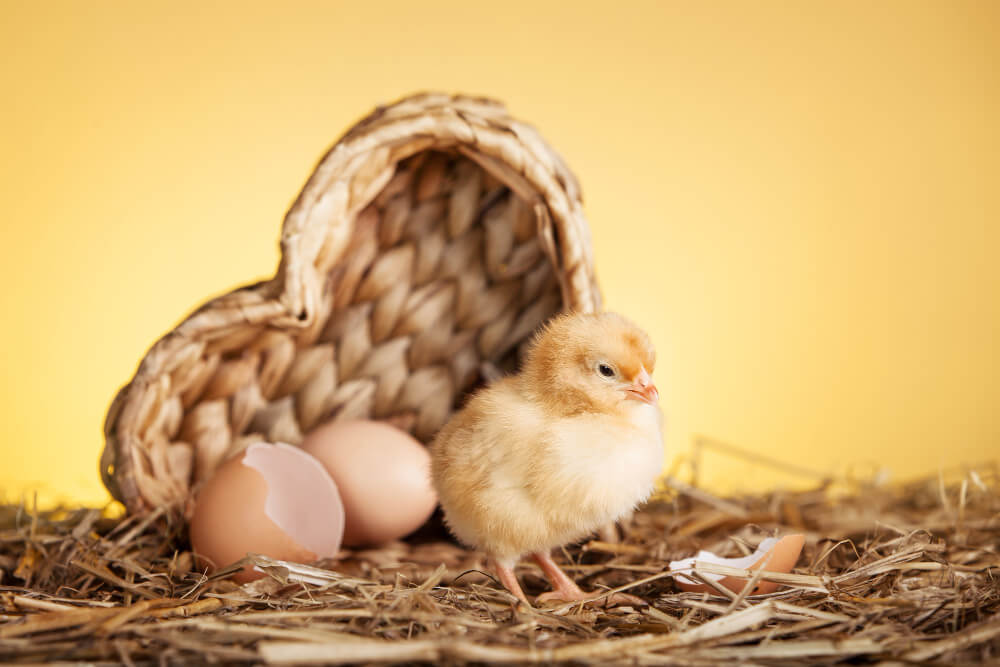
Chicken4U changes that equation through a structured distribution system. Instead of handing over fragile day-old chicks, the programme introduces a brooder-based model that gives birds a stronger start in life.
Certified parent stock farms produce the chicks, which are then transferred to brooder units. Here, they spend their first four weeks in a controlled environment where they receive proper heat, nutrition, and vaccinations. By the time they reach farmers, they are stronger, healthier, and far more likely to survive.
This early-stage support tackles one of the biggest pain points in rural poultry farming: high mortality rates. For farmers, that translates into fewer losses and a much higher chance of turning a profit.
Why dual-purpose breeds matter
Not all chickens are created equal, and Chicken4U leans into that reality. The programme prioritises dual-purpose breeds, birds that provide both eggs and meat.
For rural households, this flexibility is a game changer. Instead of choosing between egg production or meat sales, farmers can benefit from both. Eggs can be consumed at home to improve nutrition or sold for steady income, while mature birds can be sold when cash is needed.
Even more important, these breeds are designed for the realities of village life. They perform well in low-input systems like free-range or semi-confined setups, where access to commercial feed and veterinary care is limited. They are resilient, adaptable, and better suited to the environments farmers already operate in.
Building stronger rural economies
Chicken4U is not just about birds. It is about building an ecosystem that supports long-term growth.
The programme creates opportunities at multiple levels of the value chain. Brooder operators are trained to manage chick care during those critical early weeks. Community poultry agents are equipped with skills in vaccination, handling, and farmer support. These roles generate local employment and keep knowledge within the community.
For farmers, access to vaccinated and well-raised chicks reduces risk significantly. Instead of gambling on uncertain outcomes, they can plan with greater confidence. That stability encourages more households to invest in poultry, creating a ripple effect across rural economies.
Empowering women and youth
One of the most compelling aspects of Chicken4U is its focus on inclusion. Poultry farming has long been an accessible entry point for women and young people, requiring relatively low capital and space.
By improving access to quality birds and support services, the programme opens doors for these groups to participate more actively in income-generating activities. A small flock can grow into a reliable source of earnings, school fees, or reinvestment capital for other ventures.
In many communities, that kind of empowerment has a multiplier effect. When women and youth earn more, households become more resilient and local economies gain new momentum.
A proven model with growing impact
The design behind Chicken4U is not being tested in isolation. It builds on frameworks from the Poultry Multiplication Initiative and the African Poultry Multiplication Initiative, which have already shown promising results across several countries.
These models have demonstrated that when farmers receive vaccinated, adaptable birds and the right technical support, survival rates improve and productivity rises. Ghana’s expansion of Chicken4U signals confidence in this approach and a commitment to scaling what works.
A step toward food security
Beyond income, the programme addresses a deeper issue: nutrition. Eggs and poultry meat are rich in protein and essential nutrients, yet many rural households struggle to access them consistently.
By increasing the availability of productive chickens at the village level, Chicken4U helps close that gap. Families can consume more of what they produce, improving diets while still earning from surplus sales.
The road ahead
Ghana’s expansion of the Chicken4U scheme is a clear signal that practical, locally grounded solutions can drive meaningful change. It recognises that small-scale farmers do not just need resources. They need systems that reduce risk, improve outcomes, and fit the realities of their daily lives.
If the momentum continues, the impact could be far-reaching. Stronger poultry systems mean stronger households, more resilient communities, and a step forward in tackling both poverty and food insecurity.
Sometimes, transformation starts small. In this case, it starts with a chick that has a better chance to survive and a farmer who finally has a better chance to succeed.
Stay updated with the latest farming tips and agriculture industry news from Africa by subscribing to our newsletter. Don’t miss out on valuable insights and updates. Follow us on Twitter, LinkedIn, and Facebook to join our farming community and stay connected with us.