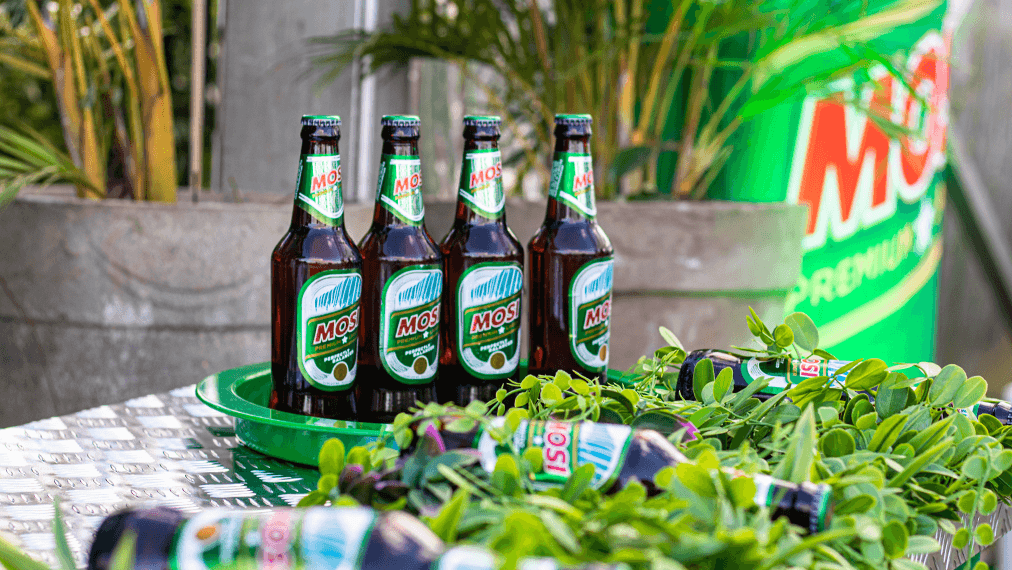
Zambian Breweries Plc closed the six months ended 30 June 2025 with a performance that commands attention. Revenue climbed 20% to K2.75 billion, equivalent to about US$119.54 million, compared with K2.29 billion in H1 2024. That top-line momentum translated into healthier operating results and a dramatic swing in the bottom line.
The numbers that matter: profit, cash and investment
Operating profit rose 35% to K325.3 million (about US$14.14 million), a sign that pricing, mix and cost discipline started to pull through. Even more striking, Profit After Tax moved from a K14.7 million net loss in H1 2024 to a K202.3 million profit in H1 2025, a turnaround that reflects both improved margins and the company’s focus on commercial execution.
But the story is not only about paper profits. Net finance costs edged up by 4% to K212 million (roughly US$9.22 million), largely due to higher central bank policy rates during the period. At the same time net cash from operating activities turned negative at K34.2 million, reversing the K97.8 million positive cash flow a year earlier. The company points to substantially higher capital spending as the main reason for the cash outflow. Investing outflows more than doubled to K488.3 million as Zambian Breweries upgraded property, plant and equipment.
Why the rebound happened
The company attributes the recovery to consistent commercial execution and tighter cost oversight. In plain terms, that means better pricing where the market allowed it, careful management of input and distribution costs, and an emphasis on higher-margin SKUs. Management also leaned into brand strength and route-to-market improvements to restore volumes and value. CEO Thais Cavinatto described the results as evidence that recent strategic moves are working and said the firm is confident about delivering sustained stakeholder value.
Capex and cash: reinvesting for scale, at a cost
Investors should notice the tradeoff the company willingly accepted. Cash generation weakened because the brewer chose to invest heavily in capacity and plant upgrades. Those investments are meant to support higher production, lower unit costs and stronger reliability as demand recovers. The company also prioritized debt reduction during the period, repaying K248.6 million toward loans, but ended the reporting period with a negative cash position and a bank overdraft of K379.2 million. That mix of heavy capex and debt paydown explains why the board paused interim dividends and doubled down on balance sheet resilience.
The tax shift that will shape H2 2025
A major external headwind arrived in July 2025 when Parliament approved amendments to the Income Tax and Customs and Excise Acts. Among the most consequential moves was the revision of excise duty on clear beer from 40% to 50%. That change has immediate implications for pricing, sourcing and sales volumes in the domestic market. Zambian Breweries has indicated it will adopt calibrated pricing strategies to protect margins and preserve stakeholder value while managing demand elasticity. Advisors and tax specialists also warned that other amendments in the bills introduce broader fiscal shifts that manufacturers must factor into planning.
What management is focusing on next
With profitability re-established, management is balancing three priorities:
- Translate expanded production capacity into sustainable volume growth and cost savings. The company has been investing to lift capacity and improve operational resilience.
- Protect margins while responding to higher excise duties. Expect targeted price moves that try to limit volume loss.
- Strengthen the balance sheet. The decision to forego an interim dividend reflects a choice to accelerate debt reduction and absorb short-term cash pressure for longer-term stability.
What this means for stakeholders
Shareholders: The PAT swing is a welcome sign that operational fixes work. But the negative cash flow and bank overdraft mean liquidity should be watched closely. Management’s preference for debt reduction over interim dividend suggests a conservative stance on returns in the near term.
Customers and trade partners: Expect selective price adjustments and stronger availability as capacity upgrades come online. The higher excise rate will likely change pack-level pricing and could make some low-price substitutes relatively more attractive, at least temporarily.
Employees and suppliers: Continued investment in production implies longer-term job security and more reliable demand for locally sourced inputs. At the same time, suppliers may see pricing negotiations tighten as the company defends margins.
Bottom line
Zambian Breweries’ H1 2025 results read like a company that has fought its way back. Revenue growth and the large PAT recovery show the commercial plan is working. The cash picture serves as a reminder that good profits do not automatically mean free cash flow when a firm is reinvesting aggressively and repaying debt. The July 2025 tax changes change the playing field for the rest of the year. How well Zambian Breweries navigates pricing, supply choices and the ramp-up of new capacity will determine whether this recovery becomes a sustained chapter in the company’s story.
Stay updated with the latest farming tips and agriculture industry news from Africa by subscribing to our newsletter. Don’t miss out on valuable insights and updates. Follow us on Twitter, LinkedIn, and Facebook to join our farming community and stay connected with us.