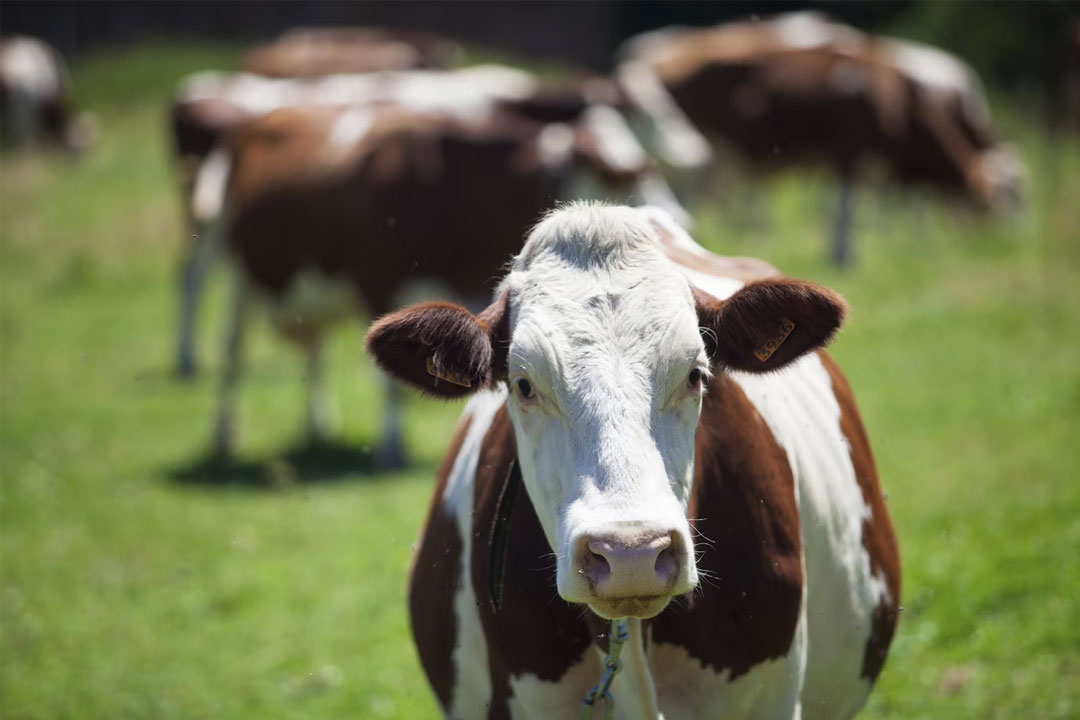
When a community project hums along, everyone feels it. When it stalls, the quiet is louder than any complaint. That is the mood around the Kanyama Cattle Breeding Centre in Mwinilunga District, Northwestern Province, where years of limited resources have kept potential on the back foot. This month the government moved to change that by raising the centre’s 2026 allocation from roughly K600,000 to nearly K2.9 million. The extra money is a clear sign that the state wants the centre to do more than exist. It wants it to perform.
Why this matters now
For many households in Northwestern Province, livestock is more than an asset. It is a savings account, a safety net and a way of life. Strengthening a breeding centre in that region is not small talk. It is a strategic nudge aimed at rebuilding capacity where it counts. Government officials who travelled with a Presidential Delivery Unit team led by Assistant Director Kalonde Mutuna came home with a list of practical priorities and a commitment to act.
What the extra funding will target
The new allocation is earmarked to address long-standing infrastructure problems that have hampered performance since the facility opened in 2013. The PDU assessment highlighted urgent needs such as reliable electricity and a properly built loading bay for cattle, both essential for safe handling, timely transport and efficient operations. Fixing these basics will reduce loss and make the centre a dependable partner for smallholder farmers in the area.
Jobs, morale and the human factor
One of the immediate wins from the government’s actions is the formalisation of employment for centre staff. Chief Kanyama of the local Lunda-speaking community welcomed the move to integrate staff into the government payroll, saying it will boost morale and help stabilise operations. When workers know their wages will come on time, they can plan, train and commit, and that is when the centre starts to work as intended.
A piece in a larger export strategy
The funding increase does not stand alone. It aligns with Zambia’s ambitious target to grow livestock exports to US$1 billion by 2026. That goal reframes small investments as building blocks in a much larger plan to transform the livestock value chain. To reach that scale the country will need reliable breeding centres, functioning transport links and markets that can absorb higher quality and volume. Kanyama’s upgrade is a step in that direction.
Why infrastructure like electricity and loading bays matter
It may sound mundane, but electricity is the backbone of modern farm operations. Power enables vaccine refrigeration, lighting for safer night-time handling, automated water systems and basic record keeping. A loading bay protects animals during transit, reduces stress and prevents injury. When these two needs are met, productivity rises and the centre becomes a credible supplier to buyers further down the chain.
Smallholders are the backbone
Zambia’s livestock sector is overwhelmingly made up of smallholder farmers. That reality shapes how investments must be planned. A breeding centre that works must be accessible, transparent and able to provide services that small farmers can use, such as improved genetics, vaccinations and training. When the centre operates efficiently, improvements ripple outward to hundreds of households who depend on cattle sales and the hidden value they provide.
Concrete measures to make the funding count
Money without systems does not last. Here are practical steps that can make the K2.9 million go further:
- Prioritise quick wins like solar power installations for reliable electricity and a modular loading bay that can be completed fast.
- Link the centre with transport upgrades and market channels so increased production has somewhere to go.
- Formalise staff roles and provide basic training in animal husbandry and record keeping to improve productivity.
- Create transparent procurement and reporting so communities see how funds are used.
- Establish a smallholder outreach program so local farmers benefit directly from improved breeding stock and veterinary services.
What success will look like
Success is not an abstract report. It will look like better conditioned calves, regular shipments to buyers, workers paid on time and farmers returning with improved breeding stock. It will mean increased trust between the centre and surrounding communities and measurable progress toward the nation’s export targets.
A chance to turn policy into everyday benefit
The funding increase for Kanyama is an opportunity to demonstrate that public investment can be practical and people focused. It is a test of whether money can be turned quickly into functioning infrastructure and sustained by simple, accountable systems. For families in Mwinilunga the question is immediate: will the centre help them sell more cattle at better prices and protect the value stored in their herds? For the nation the question is strategic: can these upgrades move Zambia closer to its export ambitions and create dignified rural employment?
A human invitation
Chief Kanyama summed it up when he thanked the president for the steps taken to stabilise staff employment. That gratitude is also a call to action. The community is ready to play its part. The state has pledged resources. What comes next will determine whether the Kanyama Cattle Breeding Centre becomes an engine for local development and a model for how small investments restore livelihoods.
Stay updated with the latest farming tips and agriculture industry news from Africa by subscribing to our newsletter. Don’t miss out on valuable insights and updates. Follow us on Twitter, LinkedIn, and Facebook to join our farming community and stay connected with us.