When money moves into a farming community, the change is often visible within a single season. Gardens that were thin with leaves suddenly hum with activity. Smallholders buy seedlings and fertiliser. Herds grow. In Kagera, the Tanzania Agricultural Development Bank has just put that kind of momentum into motion with a major injection of capital aimed at coffee farmers and livestock keepers. The bank has disbursed Tsh336.3 billion, about US$131.86 million, through targeted lending programmes to spark production and lift incomes.
Where the money is going and who benefits
The lion share of the funding is being channelled into coffee. Tsh315 billion, or roughly US$123.5 million, was allocated to coffee producers, while Tsh7.3 billion, about US$2.86 million, went to livestock keepers. That split shows a clear strategic focus on reviving and expanding coffee acreage while also strengthening commercial dairy and pastoral enterprises.
Since TADB began active lending in the region, more than 312,000 farmers and livestock keepers have accessed loans and related services. Those numbers are not just statistics. They represent families who can now plan, invest and sell into better organised markets.
Loans that change practices, not only inputs
TADB is not simply handing out cash. Its programmes aim to link finance with markets and technical support. For example, the Kopa Ng’ombe Lipa Maziwa initiative for dairy farmers pairs credit with guaranteed milk channels so smallholders can move from subsistence herding to commercial dairying. Farmers who once struggled to find buyers now deliver consistent milk volumes to cooperative collection points and local processors, which raises incomes and reduces post harvest losses.
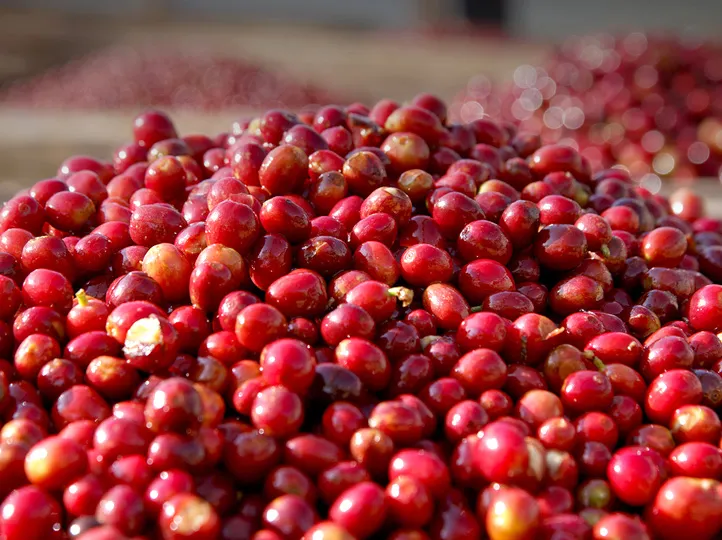
Coffee producers funded by the bank report similar shifts. With access to capital, farmers rehabilitate old plots, plant improved varieties and invest in drying and post harvest handling. The result is higher quality parchment and cherry that fetch better prices across domestic and export markets. That premium feeds back into the farm as a visible improvement in tools, school fees and household resilience.
Ambitious regional targets and the scale of impact
Kagera has set out a bold plan to lift coffee production quickly. Regional targets aim to grow output by around 36 percent, from about 54,203 tonnes in 2024/25 to 74,000 tonnes next season. Central to that ambition is a push to plant 10,000 hectares with high performing varieties, a move expected to raise regional earnings by about Tsh96 billion annually. If those targets are met, the economic ripple effects will show up in more jobs, stronger cooperatives and deeper value chains.
Prices matter and profits follow
Part of the turnaround story is price recovery. Where coffee once yielded low returns, farmers are now seeing prices that make investment worthwhile. That shift has nudged many smallholders to expand coffee into plots they had left fallow. Higher farmgate prices combined with access to finance create a positive feedback loop: better income means better care for trees and higher yields in future seasons.
What this means for ordinary people
Picture a village market in Kagera a year from now. Traders are offering both fresh milk and packed coffee beans from trusted cooperatives. A young technician runs a small coffee drying facility. A woman who used to sell in informal markets now earns a steady wage helping to sort and grade beans for export. Those are the kinds of outcomes the TADB funding aims to create when loan design is married to market linkages and cooperative strengthening.
Risks and what needs to happen next
The investment is a big step, but it is not a silver bullet. To sustain gains, three things matter most. First, farmers need predictable access to quality inputs such as seedlings, fertiliser and mechanised services. Second, continued support for cooperative governance and transparent offtake deals will keep markets reliable for smallholders. Third, stronger extension services and disease management for livestock will protect herd gains and ensure milk quality. If policymakers, financiers and farmer leaders keep working together, the credit injection can become lasting rural transformation.
Why investors and development partners should watch Kagera
Kagera is a useful case study in how development finance can catalyse regional value chains. The scale of the funding combined with a clear regional plan makes it attractive to private buyers, processors and input suppliers. For impact investors, blended finance models that support infrastructure and working capital could accelerate the transition to commercial coffee and dairy production while spreading risk across many smallholders.
Money without markets is a short story. Money with market design and local partnership writes a longer chapter. TADB’s Tsh336.3 billion injection into Kagera is more than a balance sheet item. It is a deliberate effort to turn farmers plans into profit, to make dairy a reliable business and to restore coffee as a cash crop that pays. If the local momentum is sustained, Kagera could become the place where Tanzania’s next agricultural success story is written, one coffee tree and one lactating cow at a time.
Stay updated with the latest farming tips and agriculture industry news from Africa by subscribing to our newsletter. Don’t miss out on valuable insights and updates. Follow us on Twitter, LinkedIn, and Facebook to join our farming community and stay connected with us.