A growing chorus of coffee farmers in central Kenya is sounding the alarm. They say rogue traders are flooding local markets with unlicensed and counterfeit agro-chemicals that damage crops, imperil health, and push shipments out of high-value export markets. The message is direct: stronger regulation, tougher enforcement, and urgent training are needed now if recent gains in production and prices are to be protected.
Farmers on the ground report that hazardous pesticides are not only reducing yields but are also degrading the quality of cherries. That matters because buyers in key international markets will not accept coffee that fails safety checks. Repeated rejections mean lost income for families who rely on coffee sales for school fees, medical bills, and daily needs.
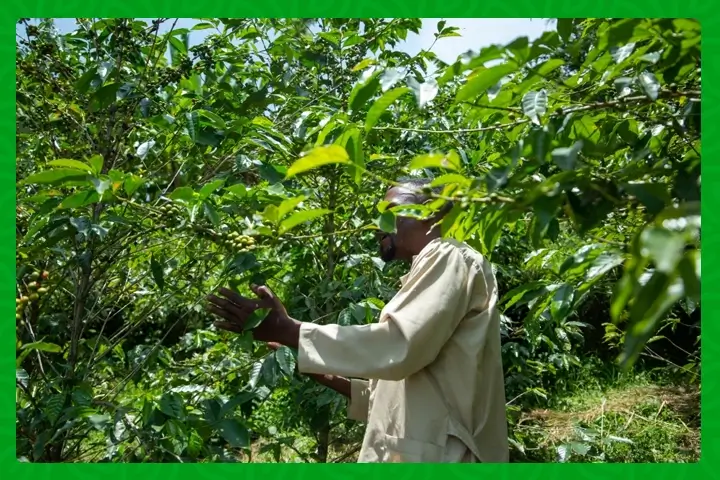
Local cooperative leaders say misinformation is making the problem worse. Alloise Muriithi, chairperson of Karithathi Coffee Cooperative Society, explained that many farmers use dangerous products unknowingly. Farmers receive advice from informal sellers and neighbours rather than from trained agronomists, and unscrupulous dealers exploit that knowledge gap. The result is misuse of products formulated for other crops, overdosing of active ingredients, and, in some cases, application of banned substances disguised as legitimate stock.
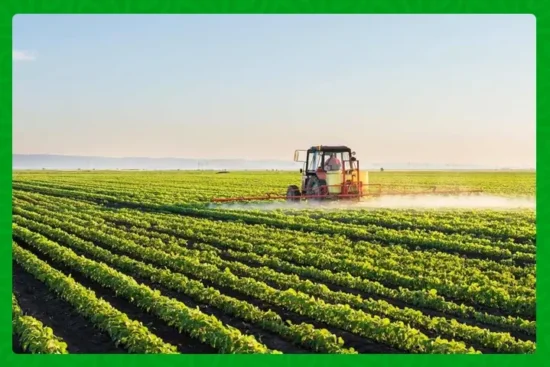
Health risks are front and centre in farmers conversations. Long term exposure to highly hazardous pesticides is associated with chronic conditions such as respiratory illness, skin disorders, and even cancer, say health workers and community leaders. Applicators often spray without protective gear, walk home in contaminated clothes, and bring residues into family homes. Those realities transform a farm risk into a household risk.
Market impacts are immediate and measurable. Exporters and processors are rejecting lots that fail residue tests. That rejection cycle cuts into recent advances in earnings. During the 2024–25 season some factories paid farmers between KES 100 and KES 147 per kilogramme, reflecting improved production and returns. Farmers warn that without action those prices and gains could be reversed as international buyers tighten standards and move to safer suppliers.
Voices from the sector are pushing for concrete steps. Priscilla Muchira, organiser of Faida Coffee Expo, said the misuse of substandard pesticides is already hitting production and incomes. She wants more than occasional raids. Farmers need sustained enforcement, reliable testing, and clear channels for reporting illegal actors.
Regulators must play a stronger role, industry leaders say. The Pest Control Products Board should prioritise regular inspections, shut down unlicensed outlets, and pursue prosecutions that set examples. At the same time, coordinated action across health, agriculture, and environmental agencies will be needed to tackle the problem at source.
Private sector partners have a part to play too. Kenya Seed Company chairperson Wangui Ngirichi urged a joined up response that includes stronger supply chain controls, farmer training, and accessible testing facilities. She pointed out that while farmers must be careful about purchases, regulators and input suppliers must stop the harmful trade.
What a practical response looks like
- Ramp up enforcement: sustained inspections and targeted prosecutions of dealers selling counterfeit or banned products will raise the cost of illegality and deter repeat offenders.
- Expand farmer training: simple, repeated messaging on safe use, correct dosages, and personal protective equipment will reduce accidental misuse. Training should be practical and local language friendly.
- Strengthen supply chains: certify legitimate retailers, publish lists of licensed sellers, and create an easy reporting mechanism for suspicious products.
- Increase testing capacity: accessible residue testing for cooperatives and processors can flag problems early and protect market access.
- Support certification for cooperatives: many groups are locked out of premium markets because they lack required certifications. Public and private programs to help cooperatives meet standards will translate into higher prices for farmers.
A human cost that cannot wait
This is not just a technical dispute about inputs. It is about people who wake early to tend trees, harvest cherries, and pay school fees. It is about mothers who wash contaminated clothes and children who play near sprayed fields. It is about communities that risk losing market footholds they won after years of hard work.
Farmers in Kirinyaga are clear about what they want from the state and the industry. They want to see licensed outlets enforced, dealers prosecuted when they sell counterfeit stock, and ongoing education so that a dangerous product in the market does not become a daily hazard in their homes.
The solution must be local and national. Local inspectors, trainers, and cooperative managers can interrupt bad practices. National regulators and law enforcement can remove the supply of illicit products. Buyers and processors can encourage change by rewarding certified, residue-free coffee.
If action follows words, Kirinyaga can keep the momentum it has built in recent seasons. If it does not, families face both a public health toll and a slide back to lower incomes. For farmers, the choice is clear: regulate the market, protect people, and defend quality so coffee remains a reliable path to better livelihoods.
Stay updated with the latest farming tips and agriculture industry news from Africa by subscribing to our newsletter. Don’t miss out on valuable insights and updates. Follow us on Twitter, LinkedIn, and Facebook to join our farming community and stay connected with us.