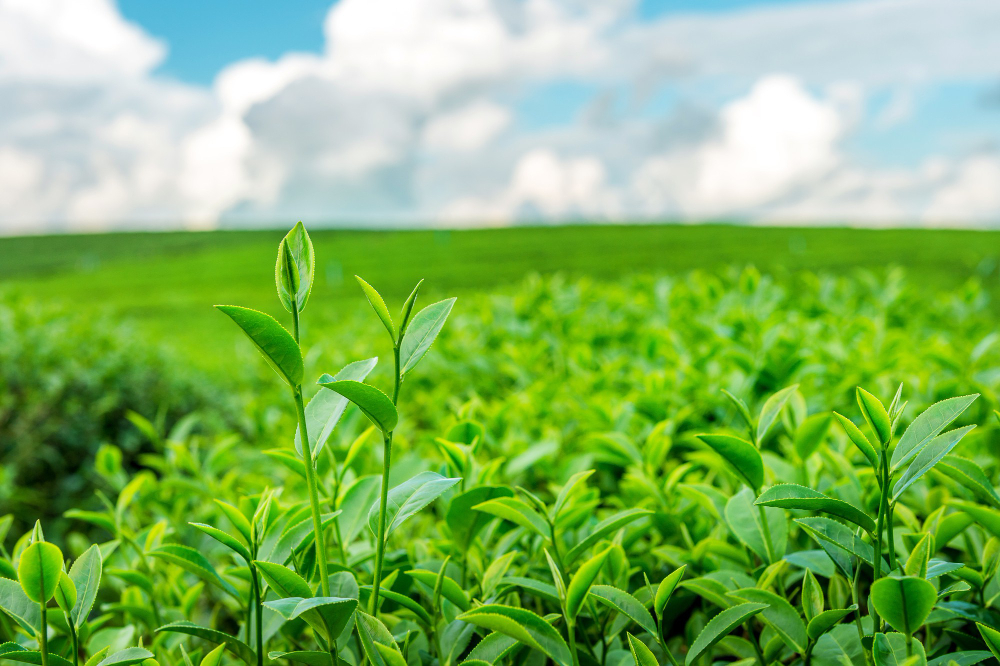
Kenya’s tea industry hit a quiet but sharp note in September 2025. Exports fell to 48.8 million kilograms shipped to 60 international markets, down from 50.93 million kilograms in the same month a year earlier. The drop of 2.1 million kilograms is a reminder that even a crop as familiar as tea is still at the mercy of weather and the changing rhythms of the climate.
What happened in September
The Tea Board of Kenya reports that the lower export volumes were largely driven by adverse weather across key tea growing areas on both sides of the Rift Valley. Heavy rains and shifting seasonal patterns disrupted plucking and processing windows, squeezing the volumes that make it to auction and to buyers overseas. At the same time, total production for the month was broadly steady at 42.51 million kilograms, only marginally higher than the 42.41 million kilograms recorded in September 2024, showing how output and export flows can move in different directions.
Where the tea went
Pakistan remained Kenya’s biggest buyer in September, taking 18.1 million kilograms, a small dip from 18.5 million kilograms a year earlier. Egypt grew into the second spot, importing 9.3 million kilograms compared with 7.6 million kilograms in September 2024. Other notable destinations included the United Kingdom, United Arab Emirates, India, Russia, Oman, Iran, Poland, and Yemen. At the same time, value added Kenyan teas reached 26 global destinations, reflecting efforts to diversify exports beyond bulk leaf shipments.
A silver lining at home
Domestic tea consumption is on the rise. Local sales climbed to 3.13 million kilograms from 2.74 million kilograms in the same month last year. Industry leaders link this improvement in part to recent tax changes under the Finance Act 2025 that removed VAT on tea supplied for local consumption and zero rated packaging materials. Those policy shifts are already making tea more affordable and easing the cost of processing for local packers. The result is simpler supply chains and a firmer foothold for Kenyan brands in supermarkets and teashops across the country.
Smallholders show resilience, but costs bite
Smallholder producers and private factories were bright spots in the numbers. Independent and private factories reported a production increase of about 10.3 percent, moving from 10.01 million kilograms to 11.04 million kilograms. Estate factories registered a more modest rise of 2.86 percent. The Kenya Tea Development Agency praised the performance of smallholders, saying the model remains resilient despite falling international prices and rising operational costs. Still, turning strong production into steady incomes depends on managing input costs, improving value addition, and finding better margins for farmers.
Digital systems and farm-level changes that matter
KTDA leaders singled out digital transformation as central to stabilizing and growing returns. The rollout of the Electronic Weighing System Phase II, the installation of dozens of weighbridges, and upgrades to enterprise resource systems have reduced inefficiencies in leaf collection and improved transparency. Those improvements are tangible at farm level. When a farmer’s leaf weight and payments are tracked accurately, trust rises and leakages fall.
On the agronomic front, sustainability programs are quietly reshaping long term prospects. The replacement of ageing tea bushes with climate resilient varieties, plus diversification into avocados, livestock and other income streams supported by the KTDA Foundation, are practical steps that help households ride out low-price cycles and erratic seasons.
Why this matters beyond the plantation
Tea is not just an export. It is a rural livelihood lifeline. When exports wobble, small shops, truck drivers, factory workers, and thousands of smallholder families feel it. The September decline is small in headline terms but it is useful as a warning signal. It underlines the need for policies that support local processing and consumption, investments in climate-smart agriculture, and continued digital upgrades so farmers get paid fairly and promptly.
A path forward
The September figures show a sector that is adaptable but not invincible. Policymakers, processors and farmers can press the advantage offered by recent tax reforms to build local brands and capture more value at home. They can also accelerate replanting with resilient varieties, broaden onfarm diversification to reduce single crop risk, and keep strengthening digital systems that protect farmers incomes. Against a backdrop of unpredictable weather and tighter global markets, those moves will matter more than ever.
Kenya’s tea story is not a simple headline about pounds and kilograms. It is a story about households, market access, and choices that will shape whether the next season is remembered for recovery or for further strain. The industry has shown resilience before. With the right mix of policy, technology and farmer-focused investments, it can aim to do so again
Stay updated with the latest farming tips and agriculture industry news from Africa by subscribing to our newsletter. Don’t miss out on valuable insights and updates. Follow us on Twitter, LinkedIn, and Facebook to join our farming community and stay connected with us.