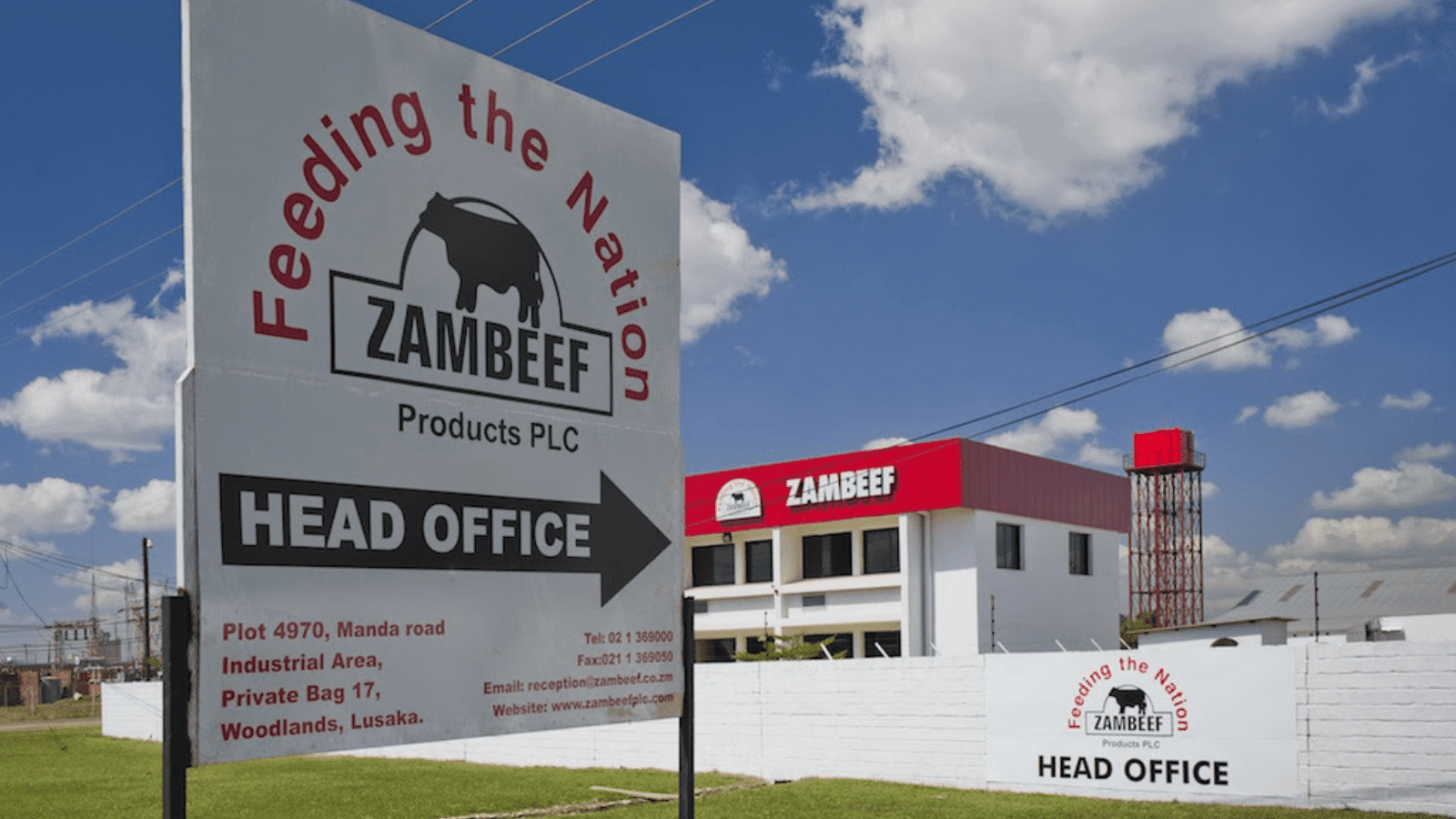
Zambeef Products PLC has been recognised by the Zambia Revenue Authority as the leading tax-paying company in the agriculture sector for 2025. This is the firm’s second such nod in two years, and it caps a steady rise in tax contributions driven by a deliberate push to scale production and expand affordable food supply across the region.
Why the award matters
This is not a ceremonial pat on the back. When a large agribusiness pays more tax, it is usually because it is selling more product, running bigger operations and formally linking more small producers into commercial supply chains. For Zambia that means stronger domestic food availability, more predictable incomes for farmers and a broader tax base that can fund public services. Zambeef’s recognition is therefore as much an economic milestone as it is a corporate one. clickplusbusiness.com
Expansion at the heart of the story
Zambeef’s higher tax remittances track back to an ambitious expansion programme the company announced in 2022. That US$100 million initiative has financed livestock upgrades, new processing capacity, retail network improvements and transport investments aimed at doubling parts of the group’s production capacity. Those investments are designed to lower unit costs as volumes rise and to make nutritious protein more affordable for more Zambians.
What management says
Chief Financial Officer Patrick Kalifungwa framed the ZRA recognition as validation of a disciplined approach to growth, improved internal systems and consistent tax compliance. In his words, the award reflects the company’s commitment to expand operations responsibly while meeting obligations that support national development. That tone of pride combined with pragmatism is visible across Zambeef’s public statements.
Job creation and smallholder impact
The company says the investment drive has sustained more than 8,000 direct jobs and generated roughly 260,000 indirect opportunities across suppliers and value chain partners. Zambeef also reports structured relationships with more than 100,000 small-scale farmers, who supply the business under formal purchase agreements. Those numbers point to a broad ripple effect: when processing capacity and distribution improve, so do market access and incomes for hinterland communities.
Poultry, processing and modernisation
Poultry expansion has been a clear priority. The company has rolled out an Environmentally Controlled House at Huntley farm in Chisamba as part of a dedicated allocation to grow the poultry segment. Each new unit is sized for tens of thousands of birds per cycle and built to reduce the environmental footprint of older rearing systems. That approach combines commercial scale with attention to sustainability and gives small and medium outgrowers more reliable market access and technical support.
What this means for Zambia
A top taxpayer in agriculture sends several clear signals. For government it means a stronger, more formalised tax base and an example of private sector contributions to national revenue. For investors and partners it demonstrates that long-term capital into agriculture can be accompanied by compliance and scale. For local farmers and communities it means more stable buyers, more training and potentially better incomes. In short, the award is a concrete sign that agribusiness investment can move beyond headlines into tangible economic impact.
A measured, visible leadership
Zambeef’s repeat recognition by the ZRA also speaks to governance and systems. Paying tax at scale requires robust accounting, predictable cash flow and disciplined commercial execution. The company’s public posture suggests it is positioning itself not only as the country’s largest integrated agribusiness but also as a model tax-paying corporate citizen that expects accountability from itself.
The ZRA award is headline news, but the deeper story is about the long arc: investment, formalisation, jobs and food security. If Zambeef keeps converting capital into capacity and markets, the company will keep playing a leading role in Zambia’s agricultural transformation. That outcome benefits shareholders, workers and the wider public alike.
Stay updated with the latest farming tips and agriculture industry news from Africa by subscribing to our newsletter. Don’t miss out on valuable insights and updates. Follow us on Twitter, LinkedIn, and Facebook to join our farming community and stay connected with us.