Cameroon will channel US$22.4 million into the Integrated Agro-Pastoral and Fisheries Import-Substitution Plan, known as PIISAH, for 2026. That figure marks a notable reduction from the prior year and signals a shift in how the government will support small and medium enterprises in agriculture, livestock and fisheries.
Why the number matters
A fall in headline funding is not just an accounting detail. PIISAH is the program the government has been using to crowd in private sector investment, build value chains and substitute imports with Cameroonian production. A smaller allocation will squeeze the program at a time when producers say they need steady finance to invest in boats, gear, feed, processing lines and storage. The 2026 allocation represents a drop of about US$3.6 million from the US$26 million PIISAH received in 2025.
What falls where
Budget documents show that funding targeted at the fisheries value chain through the SME Bank will be particularly affected. For 2026, roughly US$11.6 million has been earmarked for actors in fisheries via the SME Bank window, down by about US$7.2 million compared with the previous year. That reduction will constrain the banked finance available to small processors, artisanal fishers and other coastal enterprises that depend on affordable, predictable credit.
PIISAH in plain terms
PIISAH runs from 2024 to 2026 and is framed around the idea that private sector actors can grow production fast enough to replace a chunk of imports. Over its three years the program hoped to mobilize up to US$800 million from domestic and external sources to expand agriculture and fisheries, secure large tracts of land in the Central Plain and develop designated agricultural and fishing areas, along with improving processing and farmers access to finance and training. Those are ambitious aims, and delivering them will require both public funding and active private finance.
The people on the coast
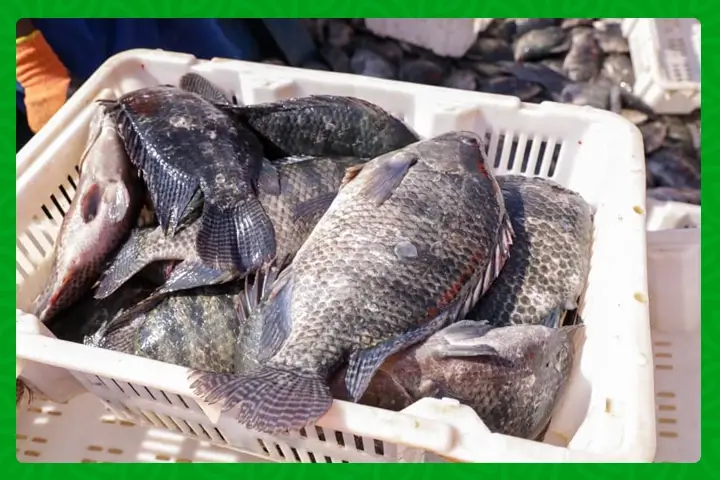
Cameroon’s Atlantic shoreline stretches roughly 400 kilometres and supports hundreds of thousands of livelihoods tied to fishing and fish processing. National production was estimated at close to 300,000 tonnes in 2022, with artisanal fishing accounting for the lion’s share of that catch. Fisheries are not just an economic sector, they are a lifeline for coastal towns and markets, and changes in PIISAH funding have direct human consequences for those communities.
Transparency, reform and continuing risks
The 2025 period saw Cameroon publicly commit to greater transparency in fisheries by endorsing the Global Charter for Fisheries Transparency. That pledge is a positive signal, but the reforms it implies must be matched by resources and enforcement if illegal, unreported and unregulated fishing and abuses at sea are to be curtailed. Civil society groups have persistently raised concerns about industrial fishing practices and labor conditions on some foreign trawlers operating in the region. Strengthening oversight, investing in local monitoring and improving fisheries governance will remain essential companions to any funding decisions.
What the funding squeeze could look like on the ground
A smaller PIISAH envelope will change the choices of policy makers, fund managers and small businesses. For the SME Bank and other financiers it will mean prioritizing projects with clearer bankability and faster returns. For artisanal fishers and small processors it could mean longer waits for loans, fewer subsidized inputs and a heavier reliance on informal credit. In practical terms, fewer boats repaired, fewer cold rooms installed and less capacity to add value through local processing. That risks slowing the very import substitution outcomes the program aims to achieve.
Opportunities hidden in constraints
Budget retrenchment also forces sharper choices. If public funds are scarcer, they can be deployed more deliberately to projects that unlock private capital and prove the model at farm and coastal community level. Targeted financing for cold chain, processing lines that meet market standards and aggregation centres that help small fishers sell collectively would have outsized impact. Blending public grants with SME Bank loans and private equity can stretch the available capital further and make each dollar work harder for jobs and food security.
A simple checklist for stakeholders
Producers, processors and local authorities can act now to be more competitive for scarce funds. First, bundle production into cooperatives so a single loan reaches multiple producers. Second, present clear business plans that show how a loan will translate into steady production and market contracts. Third, prioritize investments with measurable milestones such as installed cold storage capacity, certified processing lines or aggregated daily catch volumes. Lenders will want to see how their money is tracked and repaid.
What success would look like
The best outcome from this tighter budget would be projects that demonstrate clear results and crowd in private finance. That means more fish processed and sold locally, improved incomes for coastal families, better-trained labor and healthier stocks thanks to strengthened enforcement. Even with less public money it is possible for PIISAH to drive import substitution if every tranche is used to unlock further investment and build market confidence.
Budget numbers can feel distant, but behind each line item are people who repair nets at dawn, pack fish on market stalls and sell to families who depend on affordable protein. Cameroon’s policy choices in 2026 will not only shape macroeconomic statistics but will determine whether coastal communities can sustain their livelihoods and whether the country can build a resilient, locally anchored food economy.
Stay updated with the latest farming tips and agriculture industry news from Africa by subscribing to our newsletter. Don’t miss out on valuable insights and updates. Follow us on Twitter, LinkedIn, and Facebook to join our farming community and stay connected with us.