Uganda has just crossed a major trade milestone. Uganda has received formal authorization from the European Union to export farmed finfish to one of the world’s most demanding seafood markets. This is not a small regulatory tweak. It is a gateway to higher prices, new investment, better industry standards, and a clearer path for aquaculture to become a pillar of Uganda’s export economy.
Why this matters right now
Authorities in Kampala are already talking about big ambitions. With the clearance in place, the government is targeting roughly US$730 million in fish export earnings for the 2024 to 2025 fiscal year. That target signals a shift from dependence on wild-caught supply toward a future where farmed fish can carry more of the economic weight. For farmers, processors, and exporters, the EU stamp of approval is a signal that Uganda’s products meet high sanitary and safety benchmarks, and that premium European buyers will finally be within reach.
A short history of the market and why aquaculture matters
For decades, Uganda’s export narrative in fish relied mostly on wild-caught species, especially Nile perch from Lake Victoria. Annual earnings from wild capture fisheries have typically sat in the low hundreds of millions of dollars, placing fish among the country’s top non-traditional exports behind commodities like gold and coffee. But wild-catch production faces clear limits – overfishing, variable catches, and environmental pressures make supply unpredictable.
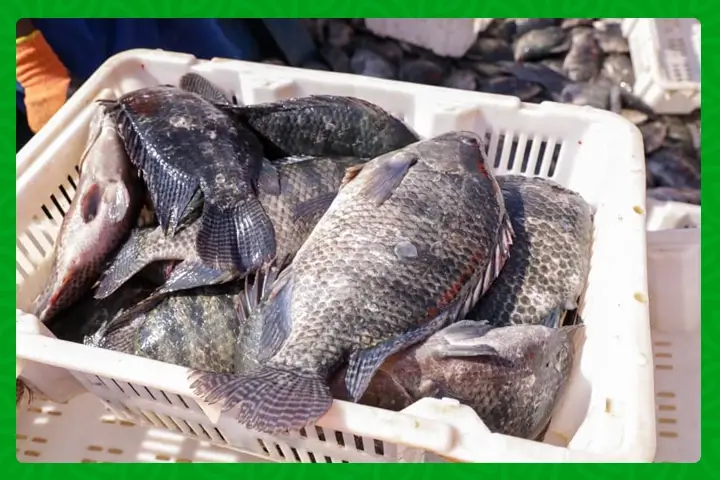
That is where aquaculture enters the picture. The country’s fish farmers have been building capacity fast. Cage farming on Lake Victoria, ponds across rural areas, and tank-based systems in peri-urban zones have scaled production of species such as Nile tilapia and African catfish. Large commercial operators export a large share of their harvest, while a mosaic of smaller farms feed local markets and national value chains. Support from government hatchery programs and international partners has helped improve survival rates and fingerling quality, which matters when you are readying a product for export.
What EU access will change on the ground
First, market value. European buyers pay premium prices for reliable, traceable product that meets food safety standards. Farmed fish are easier to standardize and certify than wild-caught shipments. Second, investment. With an official market pathway, private capital and development finance will be more willing to underwrite larger ponds, cage projects, cold chains, and processing plants. Third, standards and skills. Producers who aim for EU buyers must upgrade biosecurity, feed quality, record keeping, and cold chain logistics. Those investments lift the whole sector, including farms that target regional and domestic customers.
How the gains could ripple through the economy
Export growth in aquaculture is not just about fish on a ship. It touches feed crop demand, jobs in hatcheries and processing, transport and cold chain services, and rural incomes. Higher export earnings mean more foreign exchange and a stronger case for policy support to scale up the sector. Over time, a thriving aquaculture export industry can help stabilize incomes for lakeside communities and reduce pressure on wild fisheries.
Realistic challenges that must be managed
Approval to export is a powerful start, but it is not the final step. Exporters will need to maintain consistent compliance with health and sanitary rules. Scaling production fast, if not done responsibly, risks water quality problems, disease outbreaks, and reputational damage. Smallholders must be included in the growth story so gains are broad-based; otherwise investment could concentrate in a few large operations. Finally, logistics matter. Reliable electricity, cold storage, and export-ready processing units are essential to convert regulatory access into actual shipments and hard currency.
A practical roadmap for turning access into revenue
- Upskill producers and processors on traceability and Good Aquaculture Practices so product stays export-ready.
- Channel blended finance to mid-size farms that can scale responsibly and offer steady supply.
- Invest in cold chain and packhouses near production clusters to reduce post-harvest losses.
- Strengthen hatchery networks and feed supply to reduce reliance on imported inputs.
- Promote certification programs that align with European buyer expectations and create clear branding for Ugandan farmed fish.
The human side of this win
Behind the headline numbers are farmers waking before dawn, women sorting harvests by hand, and young technicians running hatcheries. When exports rise, so do jobs at processing lines, truck drivers hauling fish to ports, and agronomists supplying feed ingredients. This is an opportunity to tie trade success to everyday livelihoods.
EU approval is more than paper. It is an invitation to compete in a premium market and an incentive to do aquaculture better. If policymakers, investors, and farmers move together, this moment can be a turning point for Uganda’s food sector and for thousands of people who rely on fish for a living
Stay updated with the latest farming tips and agriculture industry news from Africa by subscribing to our newsletter. Don’t miss out on valuable insights and updates. Follow us on Twitter, LinkedIn, and Facebook to join our farming community and stay connected with us.