The sound on the farm is silence. Empty chicken houses, an idle slaughterhouse and workers sent home with no pay capture a stark moment for a project that once promised to feed a capital. The government has now stepped in with a targeted investment to change that reality. Congolese authorities have allocated US$18.3 million as part of a broader US$19 million plan to rehabilitate and relaunch the Presidential Agro-Industrial Estate of N’Sele over the 2026 to 2028 period.
Where the money will go and why it matters
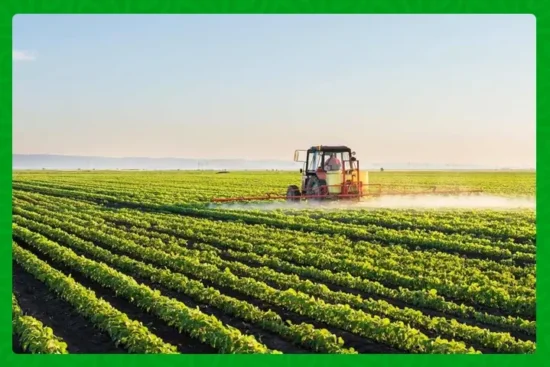
The three-year public investment plan splits the funds into two clear priorities. About US$12.2 million will go to buy specialised agricultural equipment that is essential to restart modern, reliable production. The remaining roughly US$6.8 million is dedicated to refurbishing pig farming facilities that have fallen into disrepair. This is not a cosmetic fix. It is a practical, targeted effort to restore the machines and infrastructure that make regular food supply possible.
Rebooting N’Sele is important for two reasons. First, it is about food on the table for Kinshasa families. Second, it is about livelihoods. The estate was designed not only to produce chicken, eggs and pork but also to create direct and indirect jobs for nearby communities. That dual purpose is what gives this rehabilitation urgency and national value.
The shutdown that prompted action
Staff representatives say the estate stopped operations on January 1, 2026 after funds ran out. Video and photos circulated by employees show deserted poultry halls and a quiet slaughterhouse. Those images are heartbreaking because they show more than empty buildings. They show paused incomes, unpaid bills and people waiting for answers. Employees in hatcheries, chicken houses and the slaughterhouse have reportedly been placed on unpaid leave and are appealing to the president for help.
What N’Sele can produce when it works
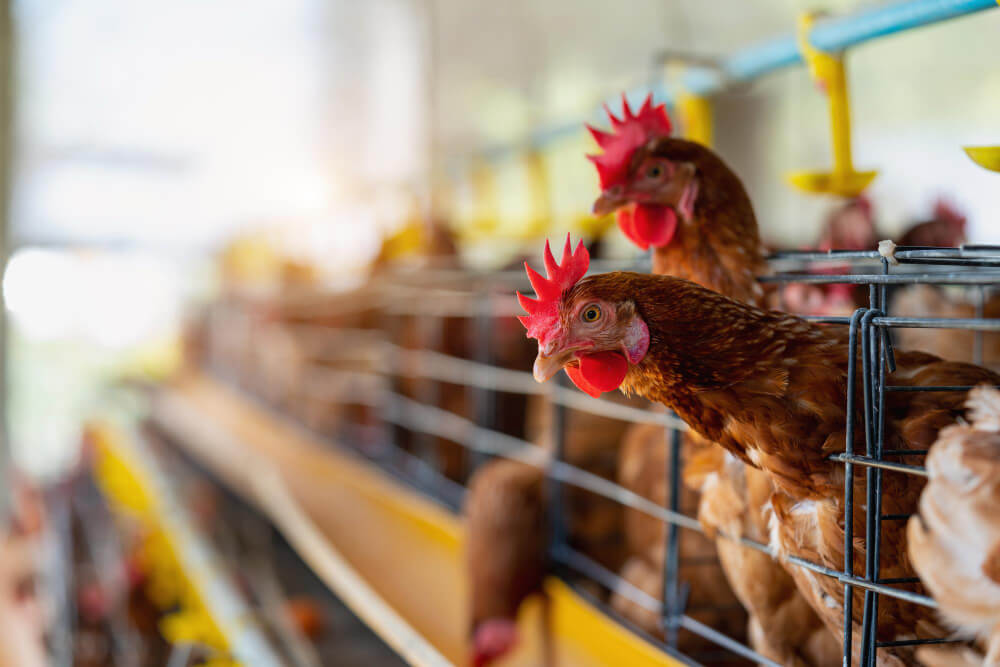
When operating, N’Sele was designed to be meaningful in scale. During a presidential visit in 2022 officials noted the complex had capacity for more than 18,000 laying hens, plus two large poultry houses able to take more than 9,000 broiler chickens on short production cycles to feed the slaughterhouse. Those figures matter because they show how quickly local production can move from zero to consistent supply if the equipment and management are in place.
A long history, a renewed promise
The estate is more than a modern development project. It was created in 1966 under the presidency of Marshal Mobutu and later relaunched in 2013 under a public-private partnership with Israel’s LR Group Limited. The relaunch aimed to transfer technology, create a local agro-industrial model and reduce Kinshasa’s dependence on distant food supply chains. LR Group’s involvement has been part of a broader effort to bring technical expertise and investment to the site.
What success looks like
This is not about spending money for the sake of headlines. Success will be tangible and local. Here are the concrete signs to watch for:
- Poultry houses and hatcheries that are fully operational and producing on schedule.
- A working slaughterhouse that meets hygiene and processing standards so meat can reach markets quickly.
- Rehired staff on payroll and restored wage flows.
- Transparent procurement and timely delivery of the specialised equipment the plan earmarks.
- Measurable increases in supply to Kinshasa markets and a corresponding drop in reliance on imports.
Risks and how to lower them
Money alone will not fix every problem. The project faces risks that should be managed actively:
• Procurement delays. Equipment orders must be transparent, competitive and tracked.
• Maintenance gaps. A clear maintenance and training plan is needed so new gear does not sit unused.
• Management continuity. Whoever runs the estate needs clear accountability and performance targets.
• Community inclusion. Local farmers and workers must be meaningfully involved so benefits spread beyond gates.
If the government couples the funds with strong project governance and community engagement, the chances of turning investment into lasting impact rise dramatically.
Why Kinshasa should care
Kinshasa is a city that eats every day. When local production fails, prices rise and households pay the cost. Reviving N’Sele is not an abstract infrastructure project. It is a lifeline for market stalls, for kitchens and for families who cannot afford volatile food prices. It is also a test of how public investment can support productive, sustainable agriculture rather than short term fixes.
A plea and an opportunity
Workers at N’Sele have asked President Félix Antoine Tshisekedi to intervene. Their plea is simple: bring the estate back to life and restore livelihoods. The funds allocated are an important first step. What follows will determine whether this becomes a story of recovery and renewed hope or a missed opportunity.
For the people who live near N’Sele, for the traders in Kinshasa markets and for any citizen who believes in local production, this investment is worth watching. If implemented well, it can show how focused public spending, good management and local involvement combine to put food on plates and wages in pockets.
Money matters. But so do the people who work the land, the vets who tend the animals, the drivers who move the produce and the market sellers who turn it into meals. The allocation of US$18.3 million gives those people a chance to get back to work. It can also give Kinshasa a steadier, fairer supply of food. That is a goal worth pursuing with speed, transparency and heart.
Stay updated with the latest farming tips and agriculture industry news from Africa by subscribing to our newsletter. Don’t miss out on valuable insights and updates. Follow us on Twitter, LinkedIn, and Facebook to join our farming community and stay connected with us.