the new Rainbow Chicks depots in Malelane and Tonga, Mpumalanga, as Rainbow Chicken welcomed small-scale and emerging farmers to its inaugural Farmer’s Day. The event was part training session, part market-opening, and part community lifeline. Farmers left not only with practical poultry know-how, but with a clearer pathway to affordable inputs, more reliable markets, and renewed confidence in their businesses.
Bringing inputs closer to the farm
For years, many Mpumalanga poultry producers had to travel far to collect day-old chicks and quality feed. The time and transport costs ate into already tight margins. Rainbow Chicken’s decision to open depots in Malelane and Tonga puts those essentials within reach, and the message at Farmer’s Day was simple: access matters. By shortening supply lines, the company is lowering the cost of doing business for small producers and helping them concentrate on raising healthy flocks.
Practical training, not just promises
Sessions covered poultry husbandry, bird health, feeding strategies, and other technical skills farmers can use the next day. Agricultural specialists, municipal officials, and Rainbow Chicken staff spoke plainly about best practice, disease prevention, and how to make feed work harder for every rand invested. Attendees were encouraged to ask questions, share local challenges, and test new ideas in a hands-on way. The tone was collaborative rather than top-down, with experienced farmers sharing what works in the field alongside technical experts.
Local partnerships that produce results
The event was organised in partnership with the Mpumalanga Municipality and the Department of Agriculture, Rural Development, Land and Environmental Affairs. That alignment matters because technical advice without local government support can only go so far. Bringing municipal leaders, extension officers, and the private sector into the same conversation creates a practical support network that helps new farmers survive the first fragile seasons and scale responsibly from there.
Immediate relief and long-term uplift
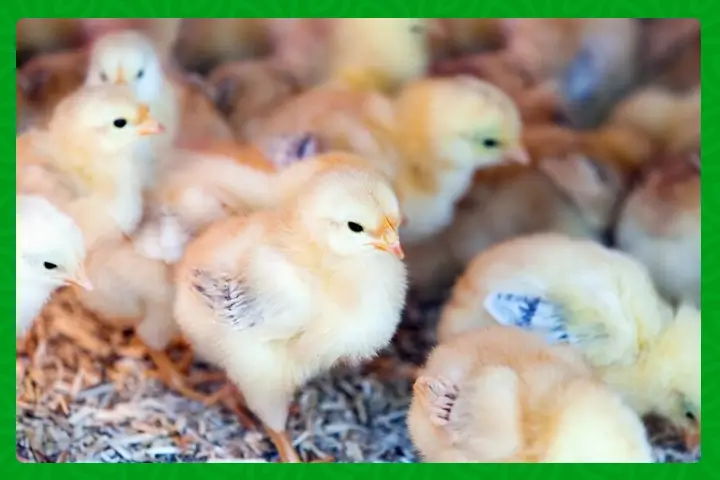
As part of the Farmer’s Day programme, animal feed supplier Epol donated 1 000 day-old chicks and feed to ten farmers, and Rainbow Chicken handed out food hampers to attendees affected by recent flooding. Those gestures were both humanitarian and strategic. They provide immediate relief to households in distress while helping productive farmers restock and get back to earning an income. For small enterprises, a donation of chicks can mean the difference between restarting after a disaster and giving up entirely.
What the depots mean for the community
Local leaders were candid about the depots operating as more than retail points. A municipal committee member called the Malelane facility a demonstration of confidence in local agriculture, and she pointed to the ripple effects now visible in town. More reliable market access attracts service providers, creates jobs, improves skills development, and draws related business into the poultry value chain. In short, one depot can be the seed of wider rural economic activity.
Why Mpumalanga matters to the poultry value chain
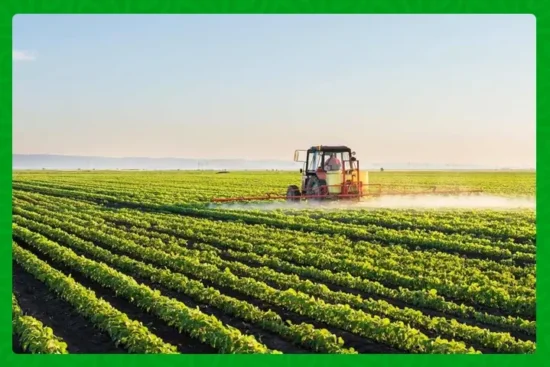
Mpumalanga accounts for a sizable share of South Africa’s agricultural output and employment, and it is a major producer of maize and soy. Those crops underpin the feed supply chain that poultry farmers depend on. Locating depots here therefore taps into local feed production and helps build a more resilient, regional agricultural ecosystem that benefits crop growers and livestock producers alike.
Voices from the field
Farmers at Farmer’s Day were frank about the challenges and cautiously optimistic about the future. One local producer said receiving chicks and support gives them a foothold to scale and professionalise a small operation into something sustainable. Municipal and company representatives promised continued technical support, and pledged to work together to repair flood damage, maintain supply lines, and ensure training continues beyond a single event. The atmosphere suggested this was not a one-off publicity moment, but the start of a longer commitment.
“As we support farmers with inputs and training, we are also securing jobs and strengthening the local food system,” a municipal representative said, emphasising cooperation between the municipality and Rainbow Chicken.
The path ahead: practical, local, accountable
The takeaway from Farmer’s Day is straightforward. Small-scale poultry farming can be a realistic route to income generation and household food security when producers have access to quality chicks, affordable feed, practical training, and predictable markets. Rainbow Chicken’s new depots are a step toward that reality. If the company, government partners, and local farmers keep communicating and delivering on commitments, Mpumalanga’s producers stand to gain steady improvements in productivity and livelihoods.
For farmers who missed the event, the message is clear: keep an eye on your local depot, engage with extension officers, ask for follow-up training, and consider how small investments in husbandry and feed management can pay off quickly. This first Farmer’s Day opened a door. Now the region needs to step through it together.
Stay updated with the latest farming tips and agriculture industry news from Africa by subscribing to our newsletter. Don’t miss out on valuable insights and updates. Follow us on Twitter, LinkedIn, and Facebook to join our farming community and stay connected with us.