Mid December brought a rare but welcome breather to many Egyptian kitchens as chicken grew cheaper while red meat moved in the opposite direction. The contrast is not just a numbers story. It is how families rearrange menus, how traders decide what to stock, and how small producers plan for the next season. This piece unpacks the reasons behind the split, what it means for household budgets, and which parts of the food chain are adjusting fastest.
A gentle win for poultry buyers
Poultry prices have eased noticeably in recent weeks, offering relief to shoppers who rely on chicken as the most affordable and familiar source of animal protein. White poultry prices were reported at about EGP 70.9 per kilogram in mid December, unchanged day on day but down close to 6 percent month on month and more than 16 percent from the same time last year. That decline reflects a stronger local supply picture, steadier farm production, and a moderation in feed costs that together have helped bring chicken back within reach for more households.
For many families juggling rising costs elsewhere, the softening in chicken prices matters. Poultry sits at the center of informal budgets because it is versatile, quick to cook, and familiar to children. When chicken becomes more affordable, the pressure eases across the whole weekly shopping list. On farms and in processing yards, producers have also responded to recent market shocks by boosting volumes and tightening logistics so that supply better matches demand.
Red meat pain points continue
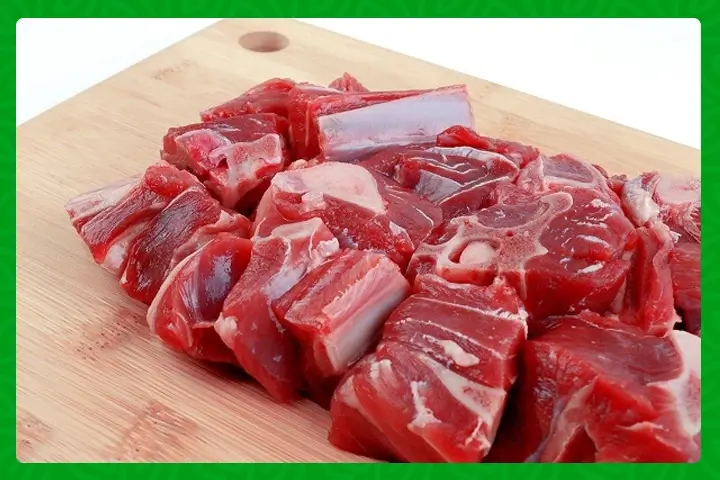
In contrast, red meat has become more expensive and harder to access for everyday consumers. Data from the same period show significant upward movement in beef prices, reflecting broader pressures inside the cattle sector. Beef values climbed with Kandouz beef recorded above EGP 400 per kilogram in mid December, a level that puts fresh red meat well out of reach for many households who are already feeling the squeeze from wider inflation.
Why is beef moving up while chicken falls? The reasons are structural. Raising cattle is capital intensive and time consuming. Feed and veterinary bills take a larger share of production costs compared with poultry, and transport and cold chain weaknesses further add to the final retail price. In an environment of elevated input costs, the longer production cycle for beef means price adjustments are slower but ultimately larger when they happen.
Fish, eggs and dairy tell different stories
Tilapia, a staple in many Egyptian diets, recorded a small daily uptick even as monthly views show some softening. Annual fishing cycles, fuel costs for boats, and variable feed expenses in aquaculture all feed into these shifts, which makes fish prices sensitive to seasonal and logistical changes.
Eggs and milk moved in line with poultry trends in part. Egg prices eased slightly as chicken production loosened, while milk registered a minor daily increase but remained below recent monthly peaks. These micro movements underscore how linked the various protein chains are, and how a change in feed prices or distribution can ripple across plates.
What is driving the divergence
Several headline factors explain why poultry is relaxing while red meat tightens.
First, feed cost dynamics have softened for poultry producers at a moment when new production and processing capacity are coming online. That combination reduced unit costs and helped lower retail prices. Industry commentary also points to speculative swings in feed trading earlier in the season that have now corrected.
Second, poultry supply chains are more agile. Birds reach market weight in weeks rather than months, and improvements in processing and distribution let producers translate supply changes into retail adjustments faster. That agility makes poultry a natural shock absorber for household protein needs.
Third, red meat faces supply limits that are not easily changed in the short term. Herd sizes, disease risks, and higher input costs make beef production slow to respond. That structural gap is visible in the price data and in trader reports that show beef climbing even as poultry cools.
Who wins and who loses
The winners are consumers who depend on poultry as their main affordable protein, and food retailers who can offer value meals while preserving margins. Producers who scale quickly and manage feed costs see the upside too.
The losers include small beef farmers squeezed by feed inflation and households that prefer red meat as their main source of protein. For this group, higher beef prices mean either spending more or substituting to cheaper proteins, a choice that can affect nutrition and food preferences over time.
What policymakers and the private sector can do now
Short term, stabilizing feed supply and supporting affordable cold chain improvements can reduce volatility across the board. Policies that target input shortages and transport bottlenecks will help both poultry and red meat sectors.
Medium term, investments in herd health, breeding, and more efficient feed formulations could reduce the cost gap between beef and poultry. Improving storage and market transparency will help producers and consumers make smarter decisions and reduce waste.
The bottom line
Egypt’s mid December pricing pattern is a reminder that one size does not fit all when it comes to food markets. Poultry has become a stabilizing force at a time of rising living costs, while red meat highlights the longer term vulnerabilities of livestock value chains. Households will react by shifting consumption and budgets, traders will shift shelves, and producers will either adapt or face pressure.
If policymakers and the private sector act on the clear signals in the market, there is room to lock in the gains for poultry consumers while easing the burdens that make red meat a luxury for many. For now, the split between cheaper chicken and pricier beef is the most visible sign of how deeply connected and yet how differently paced Egypt’s protein markets really are.
Stay updated with the latest farming tips and agriculture industry news from Africa by subscribing to our newsletter. Don’t miss out on valuable insights and updates. Follow us on Twitter, LinkedIn, and Facebook to join our farming community and stay connected with us.