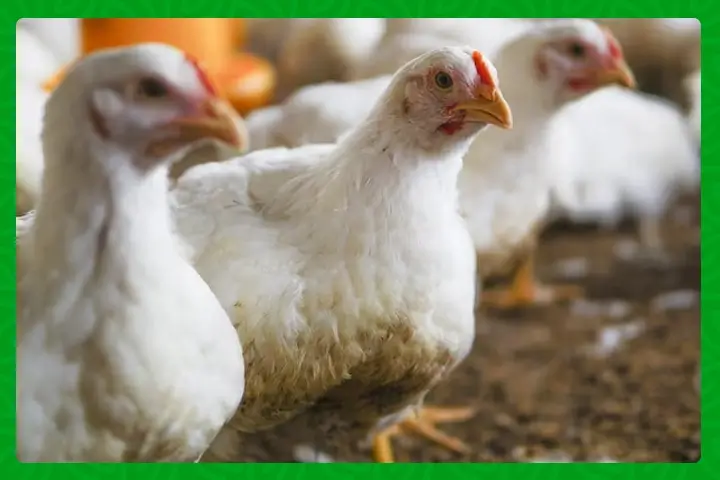
Zimbabwe is making a decisive move in one of its most important food sectors. The country is accelerating efforts to reduce excessive antimicrobial use in poultry farming, signalling a shift toward healthier production systems and a tougher stance on antimicrobial resistance.
This is not just a technical policy adjustment. It is a practical response to a growing threat that touches every household: the risk that antibiotics stop working, not only for chickens, but for people too.
With support from the Food and Agriculture Organization of the United Nations, Zimbabwe’s programme is focused on one central goal: stop treating poultry diseases as an inevitable cost of doing business and start preventing them in the first place.
Why Zimbabwe is acting now
Poultry is one of Zimbabwe’s most reliable food and income engines. Broiler and layer farming supports thousands of producers, from backyard smallholders to large-scale commercial operations. Chicken meat and eggs remain among the most affordable sources of protein for many families, and the sector is deeply tied to rural livelihoods, urban food supply, and household nutrition.
But the industry has also been caught in a cycle that is hard to break.
Recurring disease outbreaks, weak biosecurity, and easy access to veterinary medicines have pushed many producers toward routine antibiotic use. In some cases, antibiotics are used as a safety net rather than as a last resort. When farmers fear losing a flock overnight, the temptation to treat early, treat often, and treat broadly becomes understandable.
The problem is that this approach carries a long-term cost that Zimbabwe can no longer ignore.
The real danger behind overuse of antibiotics in poultry
Health experts warn that inappropriate or excessive antibiotic use increases the risk of resistant bacteria emerging. That means the medicines that once cleared infections can become less effective over time.
This is the heart of antimicrobial resistance. It is not an abstract global issue. It is a slow-moving crisis that can show up in hospitals, in food systems, and in the environment.
Resistant bacteria can spread through direct contact with animals, through meat handling and consumption, and through farm waste that enters soil and water. The result is a shared threat to animal health, human health, and ecological safety.
That is why Zimbabwe’s strategy is being framed through a One Health lens, recognising that the health of people, animals, and the environment is connected.
A new roadmap for poultry production
In response to these risks, government officials and industry stakeholders recently convened to draft a targeted roadmap aimed at reducing antimicrobial reliance within poultry value chains.
The consultations brought together the people who actually shape how poultry is produced in Zimbabwe: veterinarians, farmers, policymakers, researchers, and private sector representatives.
The focus was clear and practical. Instead of blaming farmers for misuse, the roadmap aims to change the system that makes misuse likely in the first place.
And one theme kept rising to the top.
Biosecurity: the first line of defence
Improving farm-level biosecurity emerged as a central recommendation. Participants highlighted sanitation, controlled farm access, and better flock management as essential measures.
This is the kind of work that does not make headlines, but it is the difference between a healthy flock and a disaster.
Experts stressed that preventing disease through improved housing, hygiene, and age separation of birds is more cost-effective than repeated medical treatment. When young chicks mix with older birds, when visitors move freely between farms, or when litter is not properly managed, disease spreads quickly and farmers reach for antibiotics to save what they can.
Biosecurity, when done right, reduces the need for emergency treatment and keeps productivity stable.
Vaccination: prevention that protects profits
Expanded vaccination coverage was also identified as a priority. Stakeholders called for improved access to quality vaccines and stronger farmer training on correct administration.
Vaccines are one of the most powerful tools in disease prevention, but they only work when they are handled correctly, stored properly, and administered on schedule.
For many smallholder farmers, vaccination is not always straightforward. It requires knowledge, reliable supply, and confidence in the product. The roadmap acknowledges this reality and puts training and access at the centre of the solution.
Feed and water: the overlooked drivers of immunity
Participants also noted that better feed formulation and clean water management can reinforce bird immunity and lower infection risks.
This is a crucial point, because disease is not only about germs. It is also about stress and weakness. Poor nutrition, contaminated water, and overcrowding weaken birds and create the perfect conditions for infections to take hold.
When birds are stronger, they are less likely to fall ill. When fewer birds fall ill, fewer antibiotics are used. It is a chain reaction that starts with basic management.
The hidden pressures behind antibiotic misuse
Zimbabwe’s roadmap goes beyond technical fixes. It also addresses behavioural and financial pressures that drive misuse, including fear of income losses and misunderstandings about dosage and withdrawal periods.
This matters because antibiotic misuse is often rooted in anxiety.
If a farmer’s entire income depends on one flock, the idea of waiting for a veterinary diagnosis can feel risky. If medicines are easy to buy and advice is inconsistent, farmers may self-prescribe, underdose, or mix treatments in ways that increase resistance.
Misunderstanding withdrawal periods is another serious concern. When farmers sell birds or eggs before the medicine has fully cleared from the animal’s system, residues can enter the food chain.
The roadmap aims to reduce these risks through better education, better supervision, and stronger trust between farmers and veterinary professionals.
Extension services and farmer training: where change becomes real
Stakeholders agreed that strengthening extension services, farmer education initiatives, and peer learning platforms will be vital to encouraging responsible practices.
This is one of the most important parts of the plan.
Rules alone do not change habits. Farmers change when they see results, when they learn from people they trust, and when they feel supported rather than punished.
Peer learning platforms, in particular, can be powerful in poultry communities. When farmers share practical experiences about what works, how to improve housing, and how to reduce disease without routine antibiotics, the shift becomes achievable and less intimidating.
Stronger oversight of antibiotic sales
The strategy also proposes tighter oversight of antimicrobial sales and usage. The goal is to curb the circulation of substandard products and promote veterinary supervision.
This is a key move, because easy access to antibiotics without guidance is one of the fastest ways resistance spreads. When low-quality products enter the market, farmers may unknowingly use ineffective drugs, leading them to increase dosage or switch medicines repeatedly.
Better oversight supports both animal health and farmer finances, because it reduces waste and improves treatment outcomes when antibiotics are genuinely needed.
Surveillance: measuring what is being used and what is changing
Enhanced surveillance of antimicrobial consumption and resistance trends in poultry operations is expected to guide future policy decisions.
In simple terms, Zimbabwe is moving toward a system where decisions are driven by evidence, not guesswork.
Tracking which medicines are used, how frequently, and where resistance patterns are emerging helps authorities target interventions more effectively. It also gives the industry clearer benchmarks to measure progress.
Cutting antibiotics does not mean cutting productivity
One of the most persuasive messages coming out of the roadmap is this: reducing antibiotic use does not equate to lower productivity.
Officials emphasised that improved farm management can cut costs while sustaining output.
This is crucial for farmer buy-in. If producers believe that lower antibiotic use means higher mortality and lower profits, they will resist change. But if they see that better housing, hygiene, nutrition, and vaccination can reduce losses while lowering medicine expenses, the shift becomes not only possible but attractive.
In many cases, prevention is cheaper than treatment. It also produces healthier birds, better quality meat, and stronger consumer confidence.
What this means for Zimbabwe’s food future
Zimbabwe’s drive to cut antibiotic use in poultry is ultimately about protecting the country’s future.
It is about safeguarding the effectiveness of medicines that both animals and humans rely on. It is about producing safer food. It is about building a poultry sector that is resilient, modern, and competitive.
Most of all, it is about replacing a culture of routine antibiotic dependence with a culture of prevention, knowledge, and smarter farming.
If this roadmap is implemented well, Zimbabwe’s poultry industry could become a model for responsible production in the region, proving that strong output and responsible antibiotic use can go hand in hand.
Stay updated with the latest farming tips and agriculture industry news from Africa by subscribing to our newsletter. Don’t miss out on valuable insights and updates. Follow us on Twitter, LinkedIn, and Facebook to join our farming community and stay connected with us.