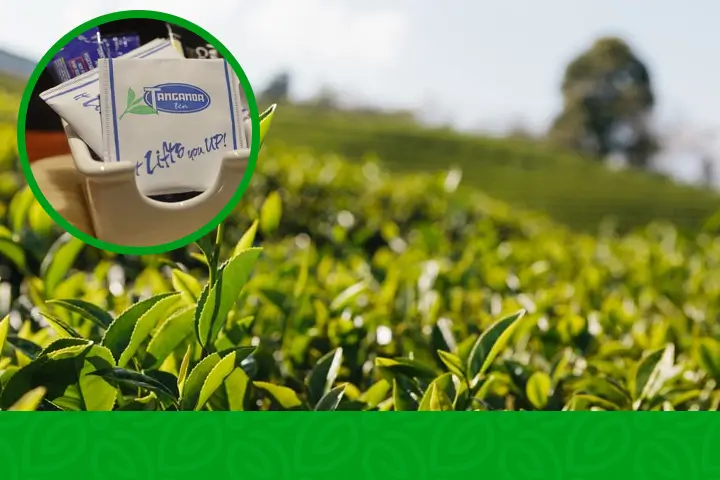
Tanganda Tea Company Limited delivered results that were, in one word, stark. Revenue for the year ended 30 September 2025 fell 26 percent to about US$19.2 million, reversing momentum from the prior year and pushing the business into a net loss after tax of roughly US$4.2 million. The operating position swung negative as well, with an operating loss near US$4.0 million and basic and diluted losses per share of (1.63) US cents.
Weather wrote the opening chapter of this story. Late onset rains and severe heat stress hit estate yields hard, trimming bulk tea production by around 11 percent to roughly 7,245 tonnes. Avocado volumes collapsed by nearly half after heat shock and a hailstorm, and macadamia output slid about 28 percent. Those production shocks flowed straight to the top line and squeezed margins. At the same time, a modest bright spot emerged as coffee volumes grew about 46 percent as newer plantings matured.
Sales and supply chain dynamics deepened the pain. In the Beverage division packed tea volumes were down about 7 percent, though the business began to rebound in the second half as packaging supply pressures eased. Export prices and the timing of shipments also mattered, so volumes on the ground and the calendar of sales combined to depress revenue. Tanganda said macro conditions featured relative currency stability, but tight domestic liquidity weighed on consumer spending and on demand in formal retail channels.
Costs did not stand still. High input prices, recurring power interruptions and dollarisation of the economy left the firm contending with heavier running costs and constrained consumer demand. Tanganda leaned further into its solar infrastructure to manage power shortfalls, but fuel, maintenance and operating challenges still fed through to the profit and loss account. In this environment the company’s margins proved vulnerable to both the physical shocks in the fields and to soft demand at the till.
Management and the board framed the results as weather driven and emphasized plans to stabilize performance. Chairman H. Nkala pointed to adverse climatic conditions as a primary cause, while the executive team outlined measures to improve efficiencies, expand market access and optimise value across product lines. Tanganda is also exploring capital raising, including a proposed renounceable rights offer to raise about US$8 million to shore up working capital and fund essential capital expenditure. That move is aimed at restoring financial flexibility as the company navigates a seasonal recovery.
What this means for growers, workers and buyers is practical and immediate. Lower output reduces the volumes available for processing and export, making it harder to maintain jobs in estates and factories and tightening supplies for packers. For smallholders who supply green leaf or sell avocados and macadamia nuts, the price signals are blunt: lower collective volumes weaken bargaining power and lengthen the path back to normal earnings. The recovery in coffee shows that long lead times and good agronomy can pay off, but the wider basket of crops remains exposed to the weather.
The path forward will require both short term fixes and longer term resilience building. In the near term the rights offer, if approved and executed, could ease liquidity pressures and allow Tanganda to smooth operations across harvest cycles. Operationally, greater investment in water management, heat tolerant cultivars and improved harvesting calendars will be needed to reduce the risk of similar shocks. On the commercial side, broadening markets and recovering second half momentum in packaged tea will be critical to restoring revenue momentum.
For investors the results are a warning and an opportunity. The numbers are painful now, but the company’s diversified crop base, existing export channels and recent investments in energy resilience give it levers to pull. The deciding factors will be execution on cost control, successful capital raising and whether the 2025–26 agricultural season delivers the more favourable rainfall patterns management expects.
Tanganda’s FY25 performance is a reminder that in agriculture the balance sheet is only as strong as the weather and supply chain that feed it. The coming year will test whether the company can translate its recovery plans into steadier cash flows and restore shareholder value.
Stay updated with the latest farming tips and agriculture industry news from Africa by subscribing to our newsletter. Don’t miss out on valuable insights and updates. Follow us on Twitter, LinkedIn, and Facebook to join our farming community and stay connected with us.