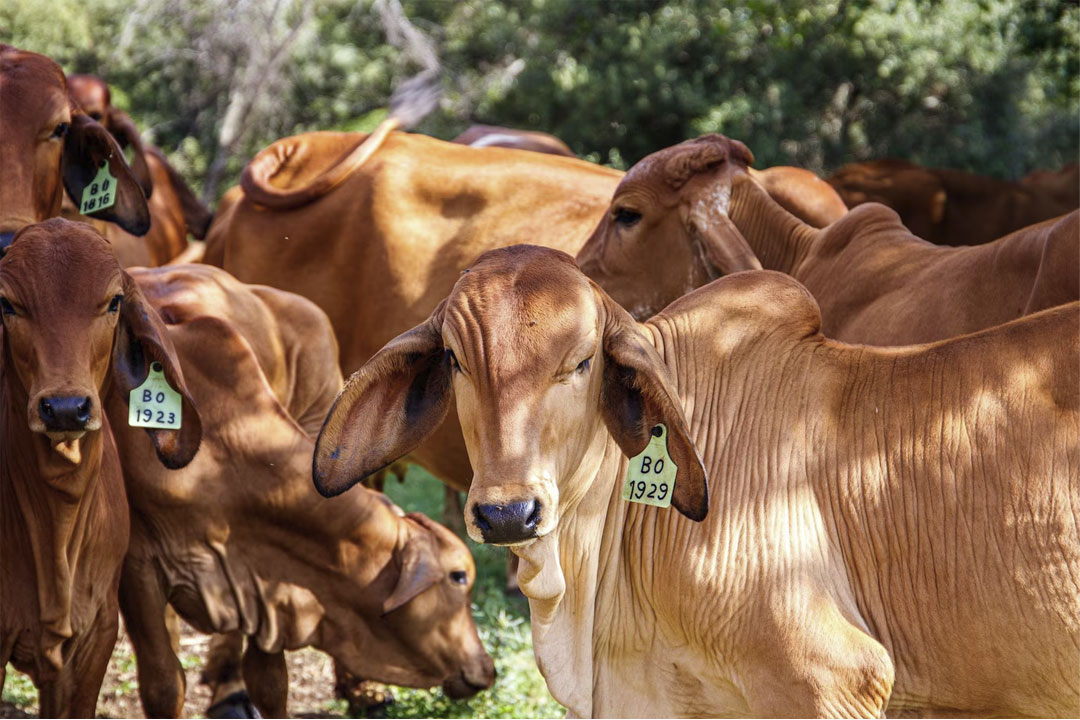
A vet moves quietly between the pens, a syringe in hand and an urgent sense of purpose in their steps. For farmers who have watched infections spread through their herds, that image is a relief. It is also a reminder that rebuilding domestic capacity takes real people, not just policy statements. South Africa has announced the return of locally manufactured foot and mouth vaccine after a two decade absence, a move aimed at arresting the recent surge in infections and returning some certainty to a shaken livestock sector.
Why this moment matters
Foot and mouth disease is brutal in its impact on livelihoods. It rarely kills healthy adult cattle but it cripples productivity through painful mouth and foot lesions, reduced feeding and stunted growth. The economic ripple effects are immediate. Animals cannot be moved easily. Market access shrinks. Export buyers tighten controls. The new locally produced vaccine gives authorities a tactical tool that can be deployed faster and more flexibly than relying only on imported supplies.
The Agricultural Research Council and the production plan
The vaccine was developed at the Agricultural Research Council. Officials say the ARC will begin supplying roughly 20,000 doses per week starting in March 2026, with plans to increase output toward 200,000 doses per week by 2027 as capacity and funding allow. That production ramp is not just about numbers. It is about predictable supply, faster response times and the ability to coordinate mass immunisation campaigns across provinces when outbreaks flare.
A practical vaccine, not an instant fix
It is important to be clear. A locally produced vaccine is a powerful addition but it is not an instant cure. In the short term, South Africa will continue to rely on imported vaccines to bridge gaps while the ARC scales up production. Full immunisation coverage across a national herd takes time and planning. Achieving high coverage requires logistics, cold chain management and trained teams to reach farms in remote districts.
Farmers are rightfully anxious
Frustration among livestock producers is visible and vocal. Farming organisations have publicly criticised the pace and coordination of official measures. Some groups have signalled intent to pursue legal action, arguing that patchy enforcement of movement controls and delays in response have left producers exposed to heavy losses. For many farmers, the vaccine news is welcome but also overdue. They are asking for a coherent strategy that pairs vaccinations with testing, movement management and clear compensation pathways for affected producers.
What success should look like
If this relaunch is to matter, success will be measured in practical outcomes. That means fewer outbreaks, faster clearances for safe movement, lower indirect costs for farmers, and a return of buyer confidence in both domestic and export markets. It will also mean robust monitoring so that vaccine effectiveness is tracked and any gaps are addressed quickly.
Key logistical challenges to watch
Scaling up production is only the first step. The state must also deliver on distribution, cold chain infrastructure and trained veterinary teams to administer vaccines at scale. Regulatory oversight must ensure consistent quality. Funding must be sustained so the initial boost does not fade when media attention moves on. Finally, authorities and industry must work to rebuild trust by communicating clearly and transparently about where vaccines are going and why.
Why local production matters beyond the outbreak
Restoring local vaccine manufacture restores a degree of sovereignty. It reduces exposure to international supply chain delays and geopolitical shifts that can make imports unreliable. Over the long term, a functional domestic vaccine facility can support quicker responses to new strains, reduce costs and anchor a broader strategy to professionalise animal health services across the country.
Voices on the ground
What matters most is how farmers and rural communities experience change. For a farmer whose calves have borne the brunt of infections, seeing a mobile vaccination team arrive with reliable doses can mean the difference between a season of loss and steady recovery. For vets, having a consistent supply allows for better planning and the chance to focus on preventive measures rather than emergency triage.
A realistic timeline and the path forward
Expect a phased impact. In the next few months, the ARC will provide initial weekly supplies while authorities manage the balance between imported and local stock. Through 2027 the aim is to scale production substantially so national campaigns can be mounted with greater confidence. Alongside manufacturing, the government and industry must agree on clear, enforceable movement controls, compensation frameworks and communication strategies that reduce panic and trigger rational, coordinated responses when new cases appear.
This return to local production is a practical milestone in an urgent story. It is a technical achievement and an act of policy, but it is also a human one. Farmers, vets and rural communities will judge success in terms of herd health, predictable markets and renewed income. Done well, the vaccine rollout can restore both animals and confidence. Done poorly, it will be a missed opportunity. For now the hope is tangible: a local factory humming again, teams on the road and a country better positioned to protect the animals that sustain so many livelihoods.
Stay updated with the latest farming tips and agriculture industry news from Africa by subscribing to our newsletter. Don’t miss out on valuable insights and updates. Follow us on Twitter, LinkedIn, and Facebook to join our farming community and stay connected with us.