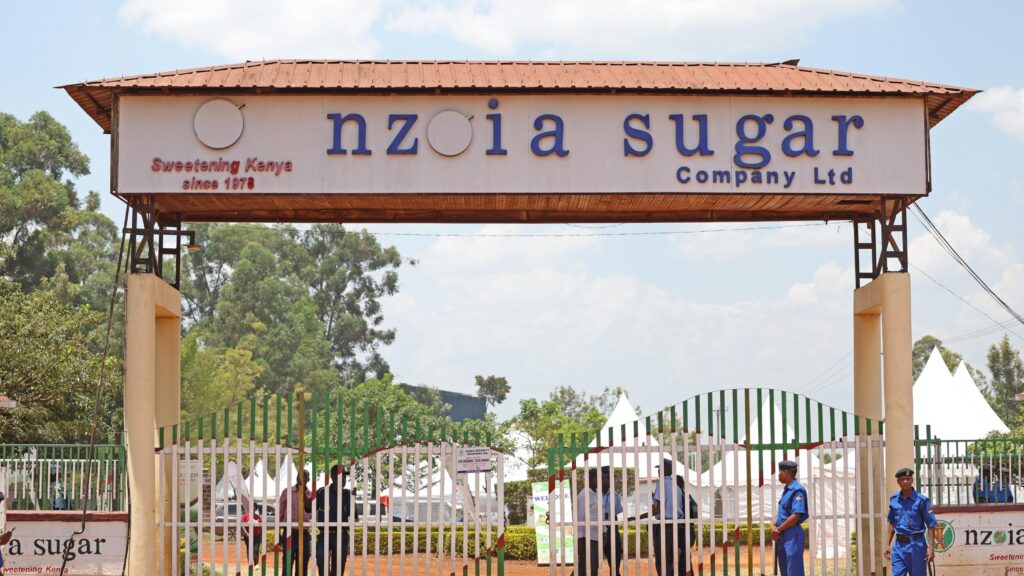
The familiar roar of turbines is back at Nzoia Sugar. After seven months of silence, the factory that stopped operations in late 2024 has returned to full-scale milling, following a long-term lease handover to West Kenya Sugar on May 10, 2025. What had been a stalled industrial heart for the Bungoma region is now humming again, and the people who depend on it are breathing a little easier.
This is more than a plant restart. It is an engineered turnaround driven by targeted repairs, smart upgrades and a clear plan to rebuild farmer confidence and cane supply.
Why the shutdown mattered
When milling stopped, fields of cut cane were left to dry and rot in the yard. Workers faced layoffs. Local economies that revolve around planting, harvesting and transporting cane took a knock. For nearly a decade, limited maintenance had eroded plant reliability and production levels. The lease of Nzoia, part of a broader government move to lease four state-owned sugar mills to private operators for 30 years, arrived just in time to avert a potential collapse.
Isaac Wasike, the factory process manager, called the lease a lifesaving decision. He said rehabilitation works were completed and that the plant is now operating under optimal technical conditions. His words carry weight because the upgrades were practical, technical and aimed at making the plant robust for the long haul.
The rehabilitation that made milling possible
The overhaul zeroed in on the components that matter most to continuous milling. Key repairs included:
- Main power turbines and mill turbines to stabilise power and reduce sudden stoppages.
- Boiler tubes and roller shells to restore heat and crushing performance.
- Milling units and cane preparation equipment to ensure clean, consistent feed to the plant.
- Evaporator sets, sugar and water pumps to reduce losses and improve processing control.
- Automation upgrades to sections of the factory for better operational control and fewer human errors.
These interventions have allowed Nzoia to resume at its installed capacity of 3,000 tonnes of cane per day. Rehabilitation also tackled chronic leakages and worn components that were bleeding sugar recovery. The result is a markedly improved extraction rate, now expected to reach up to 96 percent, and a cane-to-sugar ratio that has tightened to about 10:1.
What this means for farmers and supply
Nzoia is not restarting into an empty field. CEO Sohan Sharma confirmed the factory has about 490,000 tonnes of cane available from nucleus estates and outgrowers. That stock is projected to sustain milling from December 2025 through June 2026, giving the company a runway to scale operations and rebuild supply chains.
The company is not stopping at repairs. Modernisation is underway, and the next priority is aggressive cane development. Plans are in place to expand cane acreage by 12,500 acres under a structured farmer support program. Support measures include land preparation assistance, provision of quality seed cane and distribution of fertiliser. Those steps are designed to stabilise and grow the raw material base over the medium term.
To smooth the movement of cane from field to mill, Nzoia has acquired 101 tractors and engaged more than 30 contractors to ensure daily deliveries meet milling requirements. These logistical investments aim to reduce transport delays and ensure the mill runs consistently, which in turn helps farmers secure predictable prices and payments.
Economic and sector significance
Nzoia’s comeback comes at a sensitive time for Kenyan sugar policy. The factory is one of four state-owned sugar companies leased to private investors as part of sector reforms that seek to rescue and modernise inefficient state mills. The others include Sony Sugar, Muhoroni Sugar and Chemelil Sugar. The leasing of Mumias Sugar remains suspended due to legal issues.
Beyond corporate structure, the restart has immediate human effects. Workers return to jobs. Outgrowers see a market for their cane. Local transporters and small businesses that support the sugar economy regain customers. And at scale, higher sugar recovery means more product to sell, stronger cash flow and a healthier supply chain.
Near-term outlook and challenges
Technically, the plant is ready. Operationally, the factory will need steady cane deliveries, disciplined maintenance routines and strong management to avoid past pitfalls. The extraction gains and improved cane-to-sugar ratio are promising, but maintaining those numbers requires continuous attention to spare parts, staff training and predictable payments to farmers.
Nzoia’s plan to support outgrowers and expand acreage is crucial. If implemented well, the 12,500-acre expansion plus the existing nucleus estates can create a buffer that protects the mill from seasonal shortfalls. The tractors and contractors are smart short-term moves to ensure buffer stock is translated into steady milling.
Nzoia’s return to milling is a story of practical fixes and a renewed social compact between the factory and the farming community. It shows how targeted investment, equipment rehabilitation and farmer-focused programs can revive an asset that had been written off. For the thousands who rely on the mill for income, the sound of turbines turning again is more than machinery coming back to life. It is a sign that with the right stewardship, institutions once on the brink can be rebuilt and made productive again.