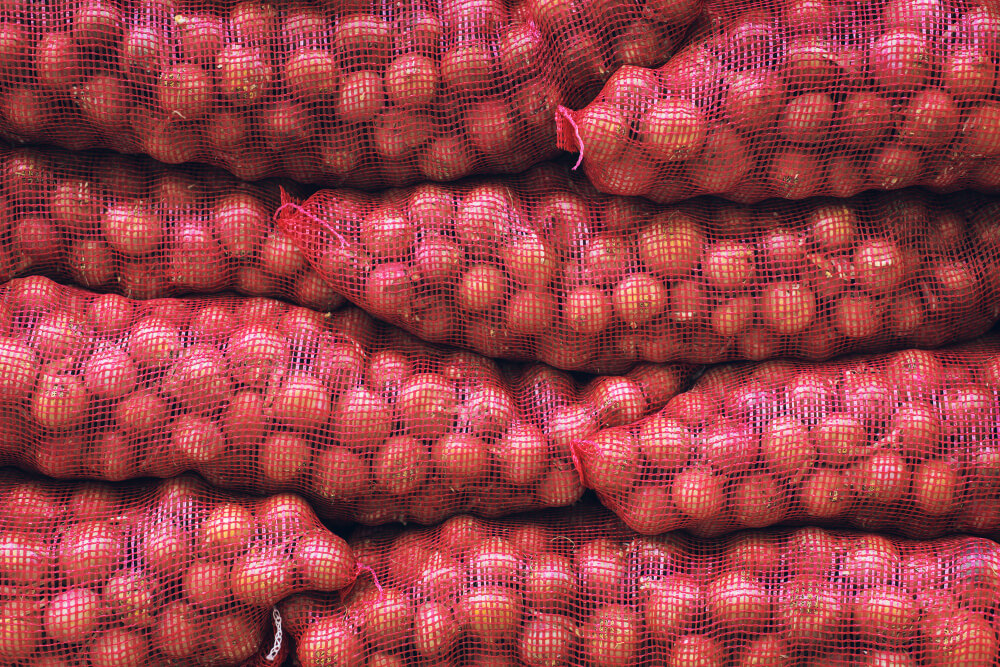
A sudden halt in onion exports from Nigeria to Ghana is sending shockwaves through West Africa’s agricultural trade network. What began as tensions between traders has now escalated into a full-blown disruption, threatening supply chains, market stability, and the livelihoods of thousands who depend on cross-border commerce.
At the center of the dispute are serious allegations from Nigerian traders, who claim harassment, intimidation, and the seizure of onion trucks in Accra. The response has been swift and decisive. Nigeria has suspended onion shipments to Ghana, a move that could have immediate economic consequences on both sides of the border.
Why Nigeria suspended onion exports to Ghana
The decision to halt exports did not come lightly. According to Isa Aliyu, National President of the National Onion Producers, Processors and Marketers Association of Nigeria, traders have endured repeated incidents that made continued operations untenable.
He described a pattern of unfair treatment in Ghanaian markets, culminating in the recent confiscation of trucks carrying onions from Nigeria. For many traders, this was the breaking point.
The association has now issued a clear directive. All onion transport to Ghana must stop until there is a firm guarantee of safety, fair treatment, and adherence to established trade norms.
For exporters, this is about more than profit. It is about protection. Without assurance of security and predictable market conditions, cross-border trade becomes a high-risk gamble.
Immediate impact on Ghana’s food supply
Ghana relies heavily on imported onions from Nigeria, making the suspension particularly significant. Markets that depend on steady inflows of fresh produce are now facing the prospect of shortages.
When supply tightens, prices tend to rise. Consumers may soon feel the impact through higher food costs, while retailers scramble to find alternative sources. For a staple product like onions, even short-term disruptions can ripple quickly through the entire food system.
This is where the real tension lies. A dispute that began at the trader level is now affecting everyday consumers, highlighting how interconnected regional food systems have become.
Nigerian traders face mounting losses
While Ghana grapples with supply concerns, Nigerian traders are dealing with a different kind of pressure. Onions are perishable. Delays in transport or access to markets can quickly turn into financial losses.
Many traders have invested heavily in production, storage, and logistics. With exports suddenly halted, they now face uncertainty about where to sell their goods and how to manage excess supply.
One affected trader captured the emotional toll of the situation, describing the frustration of seeing goods seized without clear justification. For many, the issue is not just financial. It is deeply personal, tied to years of work and investment.
A deeper look at the trade dispute
The conflict appears to have intensified following disagreements between trader groups, likely linked to competition, pricing, and access to market space. These localized tensions are not new in West African trade, but they can quickly escalate when left unresolved.
The seizure of onion trucks marked a turning point. It transformed a commercial disagreement into a diplomatic and economic issue that now demands attention from national authorities.
The Nigerian association has called on both governments, as well as regional institutions, to step in and facilitate dialogue. Without intervention, the risk is that the dispute drags on, causing deeper damage to trade relationships.
ECOWAS rules and the reality on the ground
In theory, regional trade in West Africa is governed by frameworks that promote the free movement of goods. The Economic Community of West African States has long supported policies designed to make cross-border trade smoother and more predictable.
In practice, however, informal systems and local disputes often complicate these ideals. Trader-level conflicts, enforcement inconsistencies, and market competition can undermine even the most well-designed agreements.
This gap between policy and reality is at the heart of the current crisis. While rules exist to protect trade, their effectiveness depends on how they are implemented on the ground.
Clearing the air on retaliation claims
Amid rising tensions, reports surfaced suggesting that Ghanaian trucks had been attacked in Nigeria. The National Onion Producers, Processors and Marketers Association has firmly denied these claims.
According to its leadership, no such attacks occurred. Trucks observed at the border were there as a result of the ongoing export suspension, not due to any security incidents.
This clarification is important. In trade disputes, misinformation can escalate tensions quickly. Clear communication is essential to prevent further misunderstandings and maintain a path toward resolution.
Lessons for investors and traders
Beyond the immediate disruption, the situation offers important lessons for anyone involved in cross-border agricultural trade.
Risk management is no longer optional. Trade credit insurance can help protect against unexpected losses. Diversified logistics strategies can reduce dependence on a single market. Strong engagement with regional trade bodies can provide a buffer when disputes arise.
For investors, the message is clear. Opportunities in West African agriculture remain strong, but they come with complexity. Understanding local dynamics and building resilience into operations is essential for long-term success.
A fragile but vital trade relationship
The suspension of onion exports underscores a broader truth about West Africa’s agricultural economy. Much of it depends on informal networks, trust-based relationships, and cross-border cooperation.
When those relationships break down, the effects are immediate and far-reaching. Farmers, traders, retailers, and consumers all feel the impact.
As pressure mounts on both Nigeria and Ghana to resolve the dispute, the focus will need to shift toward rebuilding trust and ensuring that trade can continue under fair and secure conditions.
For now, the flow of onions has stopped. What happens next will determine not only the future of this trade route, but also the resilience of regional agricultural commerce in the face of conflict.
Stay updated with the latest farming tips and agriculture industry news from Africa by subscribing to our newsletter. Don’t miss out on valuable insights and updates. Follow us on Twitter, LinkedIn, and Facebook to join our farming community and stay connected with us.