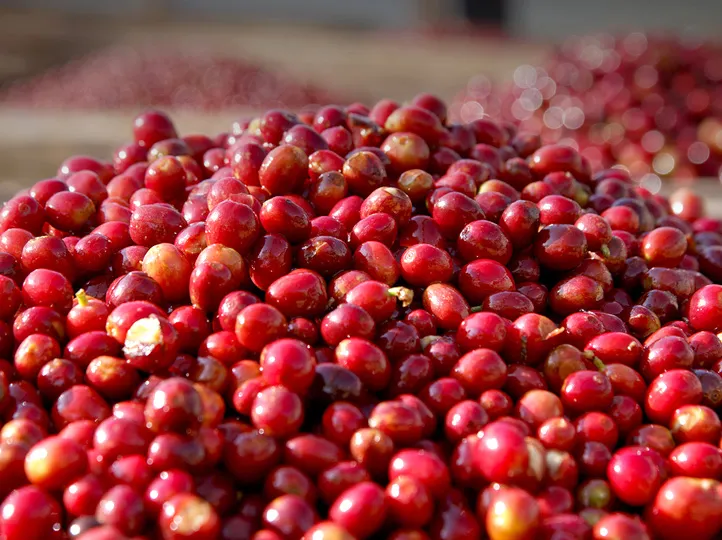
When President Yoweri Museveni told a packed rally in Ibanda that he would help build a coffee processing facility he did more than announce a project. He gave farmers a vivid promise: finish the cherries, add value close to the farm, and keep more of the coffee pound for the people who grow it. The pledge landed as a practical answer to a question farmers have been asking for years about how to turn good harvests into stronger incomes.
Ibanda is not a random choice. It is one of Uganda’s coffee belts where Robusta and pockets of highland Arabica grow on red soils and rolling hills. Bringing processing closer to growers would shorten the trip from farm to mill, reduce post harvest losses, and allow traders and cooperative managers to grade and market higher quality lots. That matters when a better grade today can mean a family school fee or a new roof next season.
The President packaged the infrastructure promise with continued Parish Development Model support and free seedlings from government nursery beds and his personal nurseries at Kisozi. That combination of seedlings, finance and a local processing hub is meant to move farmers from selling raw cherries at low margins to supplying parchment or peaberry that fetches higher prices. It also signals a push to make smallholder farms engines of value, not just suppliers of raw product.
Numbers behind the promise show a big public investment in PDM in Ibanda. District and municipal PDM SACCOs have already received significant capital, with disbursements reaching millions of US dollars worth in local currency to thousands of households. Those funds give cooperatives the chance to finance drying yards, storage and buy-in to the new processing facility so the benefits reach ordinary growers rather than only large traders. The challenge will be turning cash and seedlings into reliable quality and volume at the times buyers want them.
Uganda’s coffee exports have been on a strong run this year, with a big jump in shipments in September that underlines the potential for farmers who can meet quality specs and timely deliveries. That export momentum makes a local processing plant a timely tool. It could help Ibanda producers access premium markets and new buyers, including partnerships that have seen Ugandan coffee reach China and other growing markets. For farmers, that means more predictable demand and a clearer route from cherry to cash.
On the ground the effects will be practical and immediate. A processing facility could provide communal hulling, moisture testing and storage under one roof. That reduces the need for farmers to sell at low prices during harvest peaks and helps cooperatives to negotiate better contracts. For women and youth who run the small trading kiosks and local drying platforms, a nearby mill means new work and a steadier flow of income through the year.
But promises need plans. To translate a pledge into lasting benefit the project needs clear timelines, community-managed governance for the facility, training in post harvest handling, and credit lines that let farmers wait for higher prices. If the plant is to be inclusive, local leaders will have to design access rules so smallholders can sell small lots without being crowded out by bigger players.
The President’s reminder about the 4-acre model from the 1996 manifesto is a useful nudge. When a household dedicates one acre to coffee and mixes fruit, food crops and zero-grazing livestock on the rest, the family spreads risk and builds multiple incomes. Combined with PDM funding and seedlings, a processing plant becomes not just infrastructure but the engine that turns those acres into better livelihoods.
There are obstacles to watch. Building and operating a processing plant requires technical know-how, predictable power and transport, and markets that will pay slightly higher prices for better-processed coffee. Cooperative managers must be trained in business practices, and local agronomy needs continuing support to sustain yields without sacrificing quality.
If it works, the ripple effect will be big. Ibanda could become a visible example of how value addition raises incomes and strengthens rural economies. Farmers who used to sell raw cherries at the roadside could start earning more from parchment and green bean sales. Processing creates jobs from the farm gate to the warehouse and helps the whole district share in the benefits of higher export volumes.
This pledge is a starting gun. The next steps are practical. Define the plant size and capacity. Choose a governance model that protects smallholders. Train men and women in grading and drying. Tie the facility to local SACCO finance and the PDM disbursements to ensure farmers can wait for better prices. Get these pieces right and Ibanda will not just grow coffee. It will grow value.