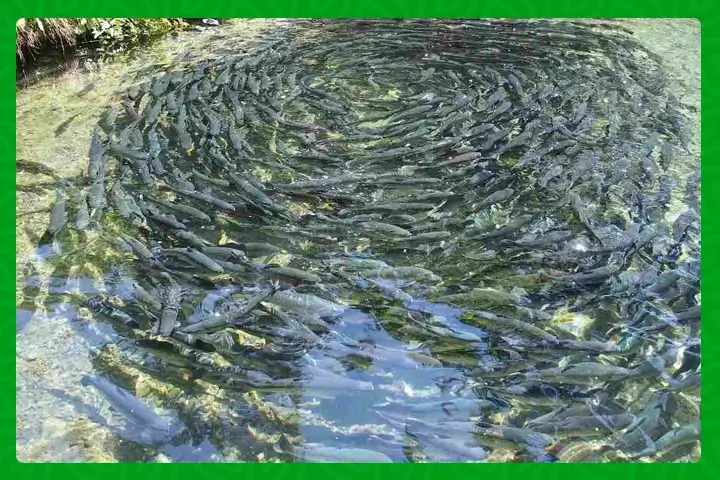
Morocco’s aquaculture sector is beginning to show what many in the industry have long believed was possible. In the first half of 2025 alone, 183 new aquaculture farms began operations across the country, drawing in investments worth approximately US$142.6 million. The figures, released by the National Agency for Aquaculture Development, signal growing confidence in a sector that has traditionally played second fiddle to wild fishing.
For coastal communities, investors, and policymakers, the message is clear. Aquaculture in Morocco is no longer a future promise. It is becoming a present opportunity.
Where the money is going
Most of the new projects are focused on shellfish. About 78 percent of the farms launched in the first half of the year are dedicated to oysters and mussels, species that benefit from Morocco’s long coastline and favorable marine conditions. Another 18 percent of the projects are centered on seaweed cultivation, reflecting rising global demand for seaweed in food, cosmetics, and industrial applications.
Fish farming, by contrast, attracted the smallest share of investment. While demand for farmed fish remains strong, structural barriers continue to dampen investor appetite in this segment.
Jobs and local impact
Beyond capital flows, the human impact is already visible. The newly launched aquaculture farms have created more than 2,250 direct jobs, many of them in coastal areas where employment options can be limited. These roles range from farm operations and harvesting to processing and logistics, helping to stabilize incomes and strengthen local economies.
With these additions, Morocco now counts 184 operational aquaculture projects nationwide. Together, they represent an estimated annual production capacity of 75,507 tonnes, a meaningful step forward for a sector still in its early growth phase.
Why fish farming is lagging
Despite the positive headline numbers, challenges remain, especially for finfish aquaculture. High operating costs are a major obstacle. A recent World Bank assessment pointed to the limited availability of hatcheries and domestic fish feed production as key bottlenecks. Feed alone can account for as much as 80 percent of total operating expenses, making profitability difficult for many producers.
The same analysis underscored the need to modernize feed regulations. Allowing alternative protein sources such as processed animal proteins and insect-based feeds, including black soldier fly meal, could significantly reduce costs and make fish farming more competitive.
A pipeline of new projects
Growth in Morocco’s aquaculture sector is far from over. ANDA confirmed that 62 additional projects are currently under development. These ventures represent planned investments of about US$33.8 million and are expected to add another 14,590 tonnes of production capacity once operational.
Looking ahead, the agency’s 2026 action plan will support 35 projects with a focus on better investment planning, improved farming techniques, and stronger technical and management skills among operators. The goal is not just to grow faster, but to grow smarter.
Building quality and market confidence
ANDA’s roadmap also places strong emphasis on traceability, product quality, and market competitiveness. As aquaculture output rises, ensuring consistent standards will be critical for accessing premium domestic and export markets. Improved traceability systems can also help build consumer trust and differentiate Moroccan aquaculture products on the global stage.
A gap between reality and potential
Despite recent progress, Morocco’s aquaculture output remains a fraction of what is possible. The country has the natural conditions to produce up to 300,000 tonnes of aquaculture products annually. Yet official figures show that only 3,644 tonnes were produced in 2024.
This gap highlights both the scale of the challenge and the size of the opportunity. Closing it will require sustained investment, regulatory reform, and coordinated action across the value chain, from feed production and hatcheries to processing and marketing.
A sector at a turning point
The surge in investments during the first half of 2025 suggests Morocco’s aquaculture sector is reaching a turning point. Shellfish and seaweed are leading the way, jobs are being created, and a pipeline of new projects is forming. If long-standing structural issues, particularly in fish farming, can be addressed, aquaculture could become a powerful engine for food security, exports, and coastal development.
For Morocco, the water is rich with possibility. The challenge now is to turn early momentum into lasting scale and sustainability.
Stay updated with the latest farming tips and agriculture industry news from Africa by subscribing to our newsletter. Don’t miss out on valuable insights and updates. Follow us on Twitter, LinkedIn, and Facebook to join our farming community and stay connected with us.