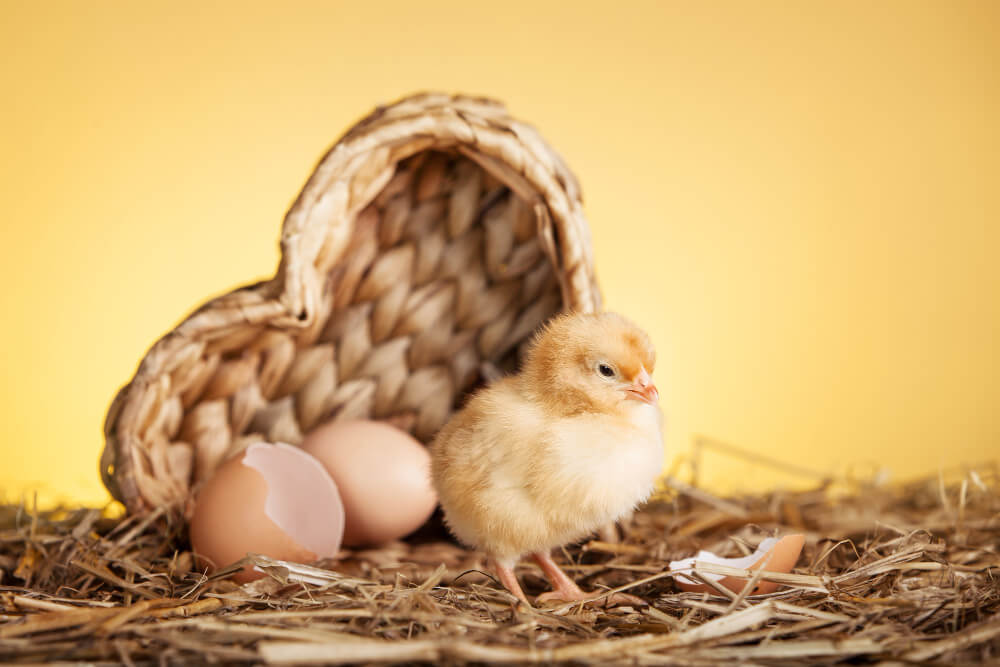
Ghana is betting big on birds to plug a long-standing food gap. The Minister for Food and Agriculture, Eric Opoku, says the Feed Ghana Poultry Industry Revitalisation Initiative is on track to take the country from import dependence today to full poultry self sufficiency by 2029. The programme sets stepped sufficiency targets: 12 percent in 2025, 25 percent in 2026, 48 percent in 2027, 76 percent in 2028, and 104 percent in 2029.
That is an ambitious timeline, but it is backed by concrete components: the Nkoko Nkitinkiti pilot, a farm to table push with 50 anchor farms, a poultry intensification plan targeting 500 small and medium producers, and plans for a processing plant in Bechem to help complete the value chain. These measures are designed to increase production at the farm level while adding local processing capacity so more of the chicken Ghanaians eat is raised and processed at home.
Why the urgency
Ghana’s move is partly a reaction to an import bill that has become politically and economically painful. Government statements and recent reporting put the annual poultry import bill at around US$400 million. Reducing that outflow would keep more value inside the economy, support local jobs and make food prices less vulnerable to exchange rate swings. The minister has been explicit that import substitution is a core objective of the Feed Ghana programme.
The scale of the challenge
Domestic broiler production today supplies only a fraction of national demand. Recent official and industry estimates place imports at roughly 270,000 metric tons a year, while national demand is commonly cited between about 345,000 and 400,000 metric tons depending on the data source. Local production estimates vary, but most analyses place it well below 20 percent of consumption. That gap explains why Ghana remains one of the region’s largest poultry importers even though it has a sizeable commercial and smallholder poultry base.
What the programme will do on the ground
The government and partners are pursuing a mix of measures that together can drive faster commercialisation:
- Anchor farms and outgrower linkages so smallholders get guaranteed buyers and predictable prices. These arrangements reduce farmers’ risk and encourage investment in better housing and feed.
- Investment in processing. The planned Bechem plant is meant to add value locally and reduce bottlenecks that limit market access for locally raised birds. A local processing hub also makes distribution more efficient and creates jobs in cutting, packaging and logistics.
- Feed security and input improvements. Feed costs are the single largest production expense. The programme is advancing plans that include local soya processing and other feed inputs to lower costs and improve margins for farmers.
- Capacity building. Training farmers in improved husbandry, disease control and biosecurity will be essential to raise survival rates and output per cycle. The Nkoko Nkitinkiti rollout has already distributed starter chicks to many farmers and aims to scale technical support.
Jobs, incomes and broader benefits
If the targets are met, the impact would be more than cheaper chicken at the market. Localising production expands employment across the value chain, from hatcheries and feed mills to transport, processing and retail. It also strengthens rural incomes by turning subsistence and smallholder producers into suppliers with contractual buyers. The emphasis on women and youth in programme design aims to make these gains more inclusive.
What could slow progress
There are several realistic risks to achieving self sufficiency by 2029:
- Feed costs and raw material shortages. Without reliable, affordable feed supplies, farms cannot scale profitably.
- Finance and working capital. Small and medium farms need accessible credit to buy feed, upgrade housing and expand flocks. If financing does not arrive at scale, expansion will stall.
- Disease outbreaks and biosecurity gaps. Intensification without robust disease controls can wipe out gains and scare off new investors. Training and veterinary services are critical.
- Policy consistency and logistics. Import substitution requires predictable policy, investment in cold chains and efficient transport so local chicken can compete on price and quality with frozen imports.
Why 2029 is possible
The target is ambitious, but not impossible if three conditions line up. First, capital and public support must flow into feed processing and redundant parts of the value chain. Second, private sector partners need to commit to offtake and invest in processing and retail. Third, farmers must adopt improved practices at scale so production per bird increases and mortality falls. The Feed Ghana programme has been designed around those pillars, and early pilots such as Nkoko Nkitinkiti suggest demand from farmers is strong.
The politics of food
There is also a political logic. Reducing an import bill worth hundreds of millions of dollars is attractive for a government that wants to protect foreign exchange and stimulate job-creating industries. That alignment helps explain the visible backing from the presidency and the speed with which projects have been announced. When political will and practical planning meet at scale, the odds of success rise.
Ghana’s pledge to reach poultry self sufficiency by 2029 is a high stakes, high reward strategy. If it works the country will keep more value at home, create jobs across rural and urban supply chains and make poultry a more stable and affordable source of protein for households. If it stalls, the country risks continuing to spend big sums on imports while forgoing the industrial jobs and rural incomes that a localised poultry sector can generate. For now, the momentum is real and the signs are promising. The next year will show whether pilot activities scale fast enough to turn a bold projection into everyday reality at the market.
Stay updated with the latest farming tips and agriculture industry news from Africa by subscribing to our newsletter. Don’t miss out on valuable insights and updates. Follow us on Twitter, LinkedIn, and Facebook to join our farming community and stay connected with us.