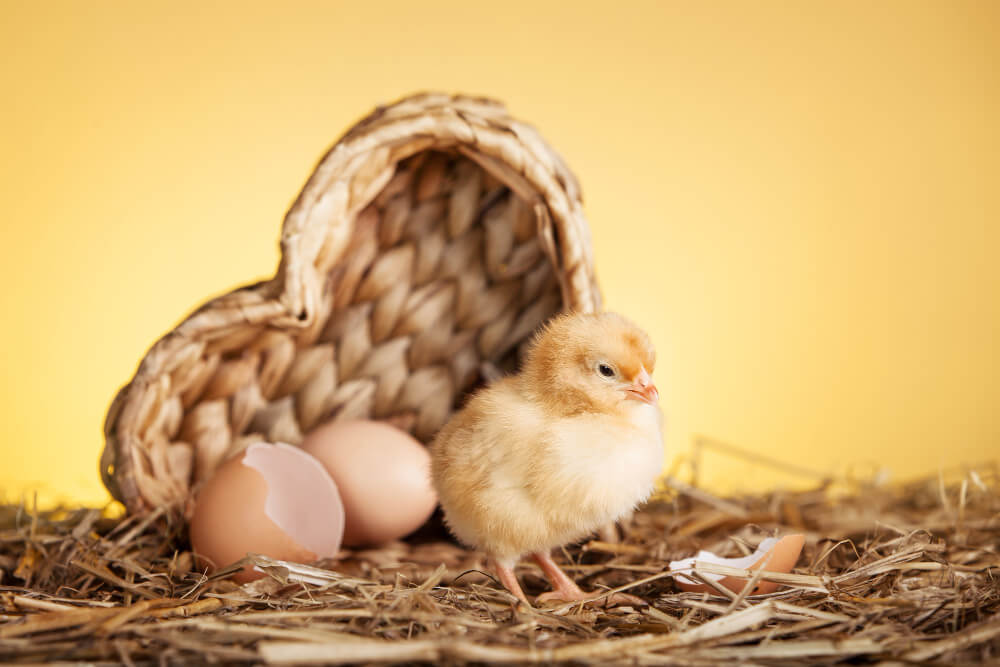
Ghana EXIM Bank has unveiled a bold plan to reduce the country’s dependence on imported poultry and rice while reviving its role as a catalytic lender for domestic industry. The initiative comes after an internal review exposed weak loan recovery, governance gaps, and a concentration of funds in non-performing loans that limited the Bank’s ability to finance productive sectors. The result is a pivot toward practical, accountable support for the poultry value chain designed to keep cedis inside Ghana and create jobs across rural communities.
Why this matters now
Imported poultry costs Ghana dearly in foreign currency and lost opportunities for local farmers. At roughly US$420 million a year in import spending on poultry alone, the drain on foreign exchange has ripple effects on inflation, balance of payments stability, and the livelihoods of smallholder farmers. By shifting capital from distressed loans into purposeful, milestone-driven financing, EXIM Bank wants to turn a vulnerability into a growth story for agriculture and food processing.
What the new strategy does
The Bank’s approach is both pragmatic and performance-driven. Key elements include:
- Targeted funding across the chain: Loans and credit facilities will be available to poultry farms, feed producers, hatcheries, processors, and cold storage businesses. The goal is to strengthen every link from chick to chilled chicken on the supermarket shelf.
- Investment in productivity and standards: Financing will support modern equipment, improved breeds, cost-efficient feed solutions, processing lines, and cold chain infrastructure so producers can scale and meet local quality expectations.
- Milestone-tied disbursements: Funds will be released in tranches linked to clear production or operational milestones. This reduces the risk of misuse, improves recovery rates, and ensures financiers and farmers are aligned on measurable results.
- Stronger credit controls: The Bank has tightened its credit appraisal and internal control systems to protect public funds and ensure lending yields measurable economic outcomes.
- Market linkages and partnerships: Beyond lending, EXIM Bank will actively facilitate partnerships between farmers, processors, and buyers to create dependable supply chains and open market access for small and medium-scale producers.
How it supports farmers and rural economies
For a smallholder or an SME processor, predictable finance and market access change everything. With affordable loans for feed mills, better hatchery stock, and processing and cold storage, producers can reduce unit costs, cut spoilage, and offer consistent supply to retailers. That in turn supports higher incomes, steadier employment in rural areas, and growth in ancillary services such as transport and packaging.
Risk management and accountability at the center
The Bank’s review found that past lending had been undermined by weak recovery and governance. The new model addresses those issues directly by tying lending to performance, improving monitoring, and enforcing stronger credit conditions. This shift is meant to protect public resources while getting capital to projects that can repay and grow.
Bigger picture benefits
Beyond lowering import bills, the strategy aligns with national goals for industrialization and import substitution. Strengthening the local poultry sector will help conserve foreign exchange, reduce pressure on reserves, and build capacity to add value domestically through processing and packaging. With the African Continental Free Trade Area offering broader markets, Ghana’s poultry sector could, over time, move from import replacement to export growth in processed products for neighboring markets.
What success will look like
Success will be visible in several ways: lower poultry imports and a shrinking import bill, more active poultry and feed mills operating at scale, increased rural employment, better quality chilled and processed products on local shelves, and improved loan performance at the Bank. Perhaps most importantly, a successful turn toward domestic production will create resilient local supply chains that keep value and jobs inside Ghana.
Practical next steps for stakeholders
Producers and processors looking to benefit should prepare clear business plans that show production milestones, cost controls, and market contracts. Cooperatives and farmer groups that can demonstrate aggregation of output will be more attractive for structured finance. Buyers and retailers can help by committing to offtake agreements that give lenders confidence in the revenue side of projects.
A realistic, accountable ambition
The strategy is not a quick fix. Building feed mills, upgrading hatcheries, and installing cold chain systems take time and require coordinated action by finance providers, government agencies, input suppliers, and buyers. But by aligning capital with performance, strengthening governance, and focusing on measurable outcomes, Ghana EXIM Bank is positioning itself as a partner for practical transformation. If the plan holds, the country stands to reduce its import burden, create jobs, and lay the groundwork for a competitive domestic poultry industry.
Stay updated with the latest farming tips and agriculture industry news from Africa by subscribing to our newsletter. Don’t miss out on valuable insights and updates. Follow us on Twitter, LinkedIn, and Facebook to join our farming community and stay connected with us.