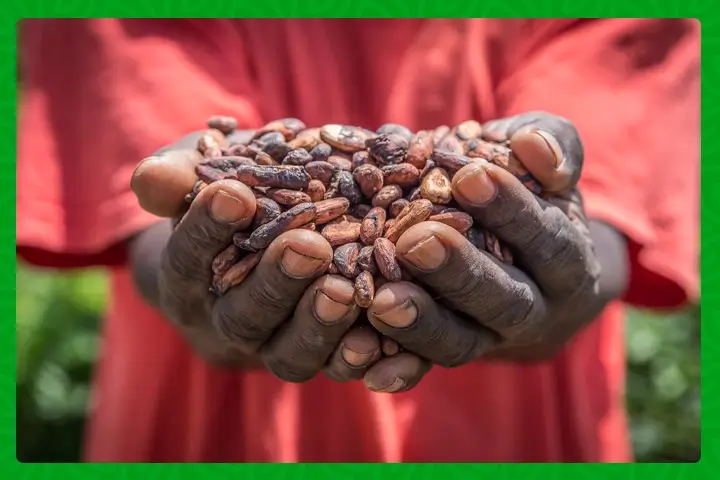
A small group of cocoa farmers in Sangmélima left a recent workshop not only with stained fingers and wide smiles but with a new sense of what a cocoa bean can become. For 53 participants, the training run by CAPEF-South with support from the National Employment Fund was part classroom and part kitchen lab, teaching practical skills to turn raw beans into chocolate paste, cocoa butter, cocoa soap and other value added products.
That hands on emphasis matters. In many cocoa communities the value chain has long ended at the point of sale for fresh beans, meaning the highest value steps of processing and branding happen elsewhere. Training producers to make finished goods keeps more margin close to the farm gate, reduces post harvest waste and opens routes into local markets that pay for quality and differentiation. The Sangmélima workshop was built precisely to shift that balance.
The timing could not be better. Cameroon has recorded a strong harvest in the 2024 2025 season, with national cocoa output rising past 300,000 tonnes. At the same time domestic processing climbed sharply, exceeding 100,000 tonnes as investments in mills and grinders expanded capacity across the country. Those twin trends create both the raw material and the processing backbone that make community level value addition realistic.
Practical skills, practical ambitions
Workshop instructors walked participants through each stage of basic cocoa processing: from proper fermentation and drying to producing chocolate paste and extracting cocoa butter. They demonstrated simple, replicable techniques for small batches and explained how micro processing can meet hygiene and quality expectations for local buyers. For many participants the most valuable lesson was how a small change in handling can lift quality enough to command better prices.
By the end of the course several trainees said they intended to form a cooperative to pool equipment and access institutional support. A cooperative structure, organisers noted, will make it easier to qualify for technical assistance from CAPEF, apply for financing through local institutions and share the costs of drying yards, moulds and small presses. That community approach turns an individual skill set into a sustainable mini industry that benefits many households.
Scaling value addition across the country
Cameroon’s recent investments in processing infrastructure in places like Kribi, Douala, Kékem and Mbankomo have helped push national processing volumes higher. Those upgraded facilities create market pull for quality domestic beans and give small processors confidence that there is a downstream market for more refined product. Training at the community level complements that infrastructure by creating supply that meets processing plants’ quality requirements.
Why this matters for farmers and the national economy
When farmers keep more of the value chain local they capture greater shares of export margins and create jobs beyond the farm. Instead of selling raw cherries at low margins to middlemen, smallholder groups can aggregate, grade and supply higher quality product for domestic processors or present finished goods to local retailers. That diversification spreads risk, raises household incomes and builds resilience into rural economies.
What needs to happen next
Training alone will not complete the transformation. To turn skills into steady income requires affordable finance, dependable logistics, clear quality standards and markets ready to pay a premium for processed goods. Organisers and local leaders should prioritise three things: supporting cooperatives with small capital grants or in kind equipment, linking producers to existing processing hubs, and continuing a rolling programme of technical coaching so producers do not lose the gains they made in Sangmélima.
A seed of a wider shift
The Sangmélima training is a microcosm of a broader policy push toward import substitution and deeper value addition across Cameroon’s agricultural sectors. With domestic processing on the rise and farmers increasingly encouraged to capture more of the supply chain, small practical workshops can have outsized impact. For the 53 participants the workshop was a chance to learn new techniques and to imagine new livelihoods. For the country it was another step toward turning more beans into revenue before they leave Cameroon.
Stay updated with the latest farming tips and agriculture industry news from Africa by subscribing to our newsletter. Don’t miss out on valuable insights and updates. Follow us on Twitter, LinkedIn, and Facebook to join our farming community and stay connected with us.