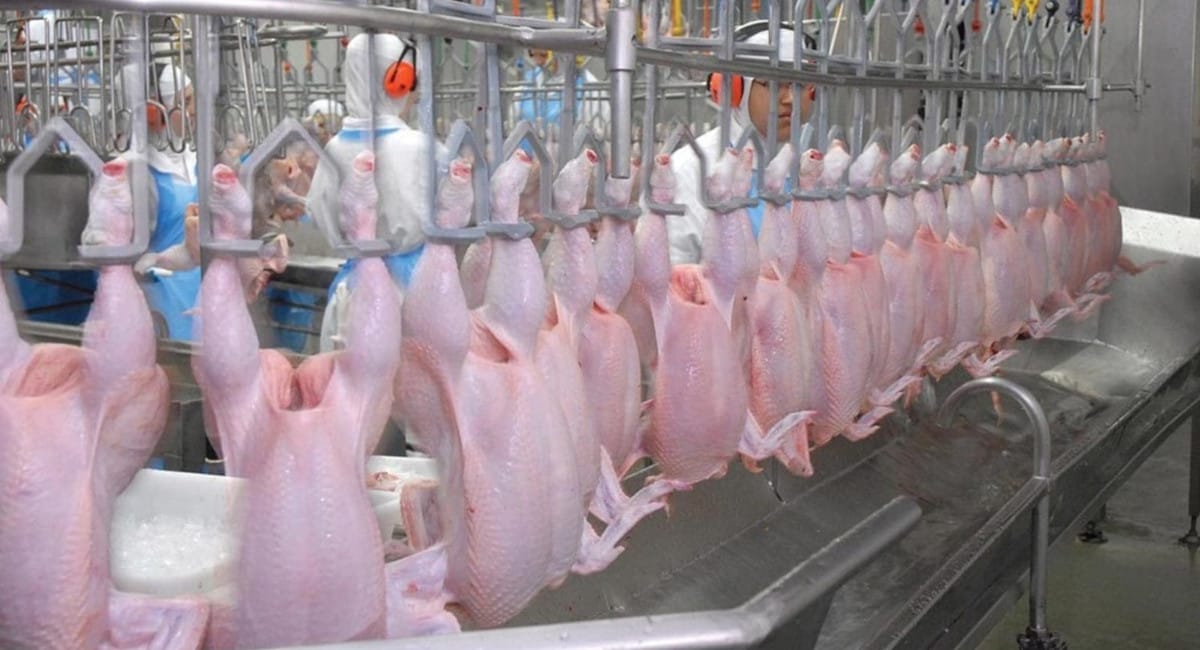
Brazilian chicken is landing in more African ports and on more dinner tables than ever before. The Brazilian Animal Protein Association ABPA reported that African countries imported 965,699 tonnes of chicken from Brazil in 2024, an 18.25 per cent increase from 2023. That is not a small blip. It is the latest note in a clear five year rhythm that has pushed Brazilian shipments to Africa up 74 percent since 2020.
This growth is practical and personal at the same time. For a supermarket buyer in Accra, it means more product choices and potential pressure on prices. For a small processor in Luanda, it means new supply lines to manage and possibly new competition. For consumers, it often translates into more affordable protein on the plate. But the headline number hides both opportunity and risk. Below I break down the trends, the people behind them, and what might slow or accelerate the flow in 2025 and beyond.
A fast rise, country by country
The march upward has been steady. Brazilian exports to Africa grew from 555,734 tonnes in 2020 to 662,323 tonnes in 2021 and reached 816,611 tonnes in 2023. The 2024 total of 965,699 tonnes represents an average annual growth of about 14.8 per cent between 2020 and 2024.
South Africa remains the largest destination, taking 325,409 tonnes in 2024, roughly one third of the continent total. But other markets are growing fast. Libya accounted for 10.34 per cent of the 2024 total. Ghana imported 9.74 percent, having surged from 15,268 tonnes in 2020 to 94,130 tonnes in 2024. Angola took 9.11 per cent, and the Republic of Congo imported 4.98 per cent. In all, Brazilian poultry reached 44 African countries in 2024.
Those percentage points reflect real lives. A Ghanaian restaurant owner who could only afford frozen imports a few years ago now sees Brazilian chilled and frozen options arrive more often. A Congolese distributor who used to source mostly regionally now has fresh logistics choices that reshape pricing negotiations with buyers.
Why Brazilian chicken fits the African market
Several forces explain the boom. Brazil is a low-cost and highly efficient poultry producer. Its integrated supply chain allows large volumes to be packed, chilled or frozen, and sent at scale. African demand for protein is rising alongside urbanisation and expanding retail and food service sectors. For importers, Brazilian products often check the boxes of price, availability and predictable quality.
For buyers in West and Central Africa, where domestic production often struggles to meet urban demand, Brazilian supply helps fill gaps quickly. For processors and big retailers, the ability to source larger, consistent consignments matters more than it did a decade ago.
The winners and those who must adapt
Winners in this shift are visible. Importers and cold chain operators that invested early in cross-border logistics have captured market share. Consumers in many cities benefit from a more stable supply and sometimes lower prices. Some larger local processors find economies by blending imported leg quarters with local cuts.
However, the trend poses a challenge for local producers. Smallholder farmers and domestic processors face sharper competition and may need to specialise, add value, or target premium niches to maintain their position. Traders and policymakers must also balance access to affordable protein with protecting livelihoods that depend on domestic poultry.
A shock on the horizon in 2025
The growth story has a wrinkle. Brazil confirmed its first case of avian influenza at a commercial poultry farm on May 15, 2025. That development triggered import restrictions from some African buyers. South Africa temporarily halted imports from affected Brazilian suppliers. Angola imposed partial restrictions. Those moves introduce uncertainty for 2025 trade flows and underline how disease events can interrupt even the most robust supply lines.
If importers switch suppliers or if restrictions persist, African markets could see short-term price pressure and supply reshuffles. The full impact will depend on how quickly Brazilian producers contain outbreaks, how importing countries manage sanitary rules, and whether alternative suppliers can scale up fast.
Practical implications for traders and policy makers
Several practical moves can help markets adapt:
- Strengthen cold chain and storage capacity so imports can be handled safely and economically.
- Improve testing and traceability so buyers can rapidly verify consignments and reduce the chance of blanket restrictions.
- Support small producers to move into value-added segments such as chilled premium cuts, ready-to-cook products, or branded lines that appeal to local tastes.
- Maintain flexible trade policies that allow rapid response to disease risks while avoiding knee jerk bans that worsen shortages and price spikes.
Human stories inside the data
Numbers are useful, but the human angle makes them stick. Imagine a poultry trader in Lagos who increased container bookings for Brazilian meat after demand rose in late 2023. Imagine a Ghanaian street vendor who can now buy smaller, fresher portions because imported supplies became more regular. Contrast that with a small farmer in a rural district who must now find new buyers or improve quality to compete.
Those everyday adjustments determine whether the rise in imports becomes a story of consumer gain and productive adaptation or a story of pressure on vulnerable producers.
Outlook: resilience, not inevitability
Africa ranks as the third largest market for Brazilian chicken after Asia and the Middle East. The 2024 surge shows how quickly trade patterns can shift. But future growth is not inevitable. It faces both structural limits and near-term shocks. Price competition, logistics costs, sanitary incidents and shifting government policies can all bend the trend line.
If stakeholders invest in resilient supply chains, transparent testing and value-added local processing, the rise in Brazilian chicken can be absorbed in ways that benefit consumers and create new business opportunities. If they do not, the gains will be uneven, and the market may swing back toward volatility.
Brazilian chicken is reshaping protein trade in Africa. The growth through 2024 was rapid and, in many cases, welcome. The avian influenza detection in 2025 is a reminder that global food systems are tightly linked and that policy, private sector planning and careful risk management matter as much as low prices. For importers, producers and consumers, the immediate task is clear. Build systems that keep shelves full, keep people fed, and keep local producers part of the story.
Stay updated with the latest farming tips and agriculture industry news from Africa by subscribing to our newsletter. Don’t miss out on valuable insights and updates. Follow us on Twitter, LinkedIn, and Facebook to join our farming community and stay connected with us.