Benin just landed a game changing boost for its agriculture sector. The African Development Bank Group has approved a US$112 million loan to fund the first phase of a long term program that aims to transform poultry production in the Savanes region. This is not a short term fix. It is a deliberate move to stitch together maize, soybean and broiler farming so producers can access feed, inputs and markets in a coordinated way. The result could be more local chicken on Beninese plates, new income for rural families, and a stronger, more resilient agricultural economy.
A practical plan with clear targets
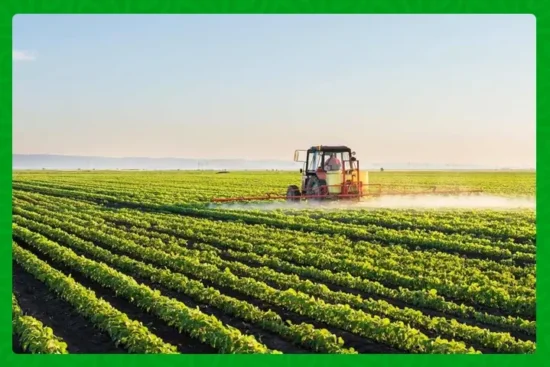
The program runs from 2026 to 2030 and focuses on scale plus systems. Over the coming years the plan will develop 120,000 hectares of maize and 80,000 hectares of soybeans. That larger crop base is expected to underpin broiler expansion that could eventually yield around 41,000 tons of poultry meat. The backbone of the project is integration: growing the raw feed locally, processing it closer to farms, and supporting broiler producers so that the whole chain feeds itself.
Smallholders at the center
This is designed to be a people first program. Beneficiaries will receive broiler starter kits and practical farming inputs such as certified seeds, fertilizer and crop protection products. Smallholders will also be given portable tools to improve planting and field management. The emphasis on equipment and inputs aims to reduce early stage barriers and help farmers move from subsistence production to market oriented farming.
Imagine Arouna, a smallholder in the Savanes, getting a starter kit and access to certified seed. With better feed available locally, Arouna can raise healthier birds, sell into a local market that pays better than imported chicken, and reinvest earnings into the farm. That is the kind of household story this program is built to create.
Food security and import substitution
Benin currently imports the vast majority of its poultry meat. The AfDB supported program seeks to change that by cutting reliance on foreign chicken and increasing local supply. Beyond saving foreign exchange, producing more domestically will make poultry meat more accessible and create value closer to where it is needed. The project is structured to open multiple income streams for rural households and to generate both direct and indirect employment.
Research, storage and climate resilience
The program takes a systems approach to risk and productivity. A multi stakeholder platform will spearhead agroecological research for maize and soybean systems so farmers can benefit from locally tested methods that raise yields and reduce losses. The initiative promotes climate tolerant and nutrient rich seed varieties and improved farming practices that focus on soil health, water management and climate adaptation.
Infrastructure is practical and targeted. Plans include the construction of 60 warehouses with 1,000 ton capacity each, 90 facilities sized for 500 tons, and 150 drying areas of 200 square meters. These investments will reduce post harvest losses, stabilize supplies for feed processors, and help farmers get a fair price for what they grow.
Jobs, inclusion and gender balance
The numbers matter. The project is expected to directly involve around 50,000 people and indirectly reach another 500,000. Women are a core focus and are targeted to make up at least 30 percent of beneficiary groups. That means more than numbers on a spreadsheet. It means women getting training, access to inputs, and a place at the table when cooperatives and buyer contracts are negotiated.
Addressing structural bottlenecks
Benin’s poultry sector has grown but remains constrained. Producers face high input costs, disease outbreaks and weak cold chain systems, all of which push consumers toward cheaper imported options. The program recognizes these bottlenecks and includes measures to strengthen storage, handling and value chain coordination so producers can compete on quality and price. Improved local feed supply is a critical leverage point because feed accounts for a large share of poultry production cost.
Learning from a success story
The AfDB program draws lessons from Brazil’s Cerrado transformation, adapting those insights to local conditions in Benin. The emphasis is on gradual scaling of broiler production supported by a consistent supply of feed and practical technical assistance. This staged approach reduces risk and gives farmers time to adopt improved practices and technologies.
Why this matters now
Benin’s poultry sector has huge upside. Recent years have shown appetite for growth but the country still depends heavily on imports for poultry meat, a vulnerability when global prices climb or supply chains are disrupted. By building local feed production, supporting broiler farmers, investing in storage and research, and prioritizing climate resilient seeds and practices, the program tackles the problem across the value chain.
What success will look like
Success is measurable and human. It will show up as healthier flocks, farmers earning steady farm income, more poultry sold from Beninese farms at competitive prices, and fewer import bills draining national reserves. It will also create a platform for youth and women to access entrepreneurship opportunities in agri processing, logistics and retail. Over time, a stronger local industry can spark allied businesses such as feed mills, cold chain services and hatcheries.
A pragmatic path forward
The US$112 million loan is an investment in systems not just projects. It aims to make poultry production predictable and profitable by linking crop and livestock value chains, building storage and processing capacity, and equipping farmers with better seeds and tools. Those elements combined give Benin a clear chance to reduce import dependence, boost rural incomes, and place the Savanes region on a path to inclusive agricultural growth.
If implemented well, this program could be a defining chapter in Benin’s agricultural story. It is a moment to move from reliance to resilience and from imported protein to locally grown opportunity. The project will take time and steady management, but its design shows that with coordinated investment and people centered implementation, Benin can make more of its poultry potential real.
Stay updated with the latest farming tips and agriculture industry news from Africa by subscribing to our newsletter. Don’t miss out on valuable insights and updates. Follow us on Twitter, LinkedIn, and Facebook to join our farming community and stay connected with us.