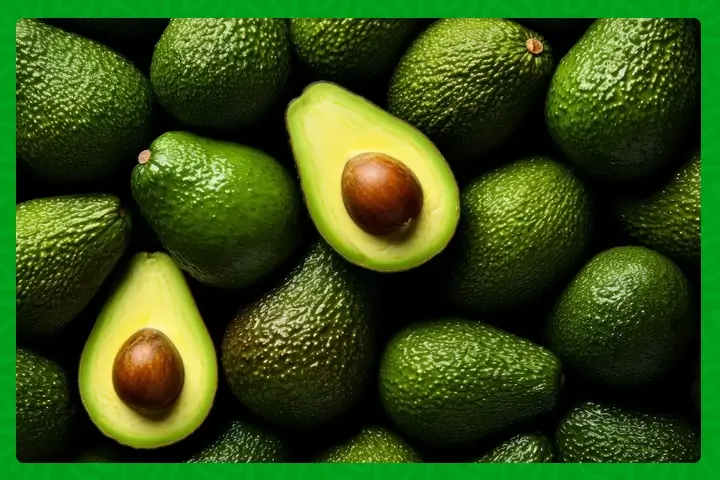
Kenya’s avocado exporters are navigating a season that feels like two different stories unfolding at once. In Europe, momentum has slowed to a crawl. In Asia and the Middle East, demand is alive, steady, and quietly profitable. At the center of it all is one reality: Peru’s dominance in the European market is reshaping how Kenya competes.
For exporters, this is not just a tough season. It is a turning point.
Europe Slows as Peru Floods the Market
The European avocado market has become increasingly difficult for Kenyan exporters, largely due to a surge in supply from Peru. Massive volumes of Hass avocados from South America have saturated shelves, leaving little room for competitors.
This oversupply has softened demand for Kenyan fruit, slowed movement, and tightened margins. Exporters who traditionally relied on Europe as a primary destination are now facing delayed sales cycles and increased pressure to negotiate prices.
The challenge is not quality. Kenyan avocados are widely respected. The issue is timing and volume. Peru’s scale and seasonal advantage have created a crowded marketplace that is hard to break through.
A Different Story in Asia and the Middle East
While Europe struggles, other regions are telling a far more encouraging story. Markets in the Middle East, China, India, and Turkey are absorbing Kenyan avocados at a steady pace, with a clear preference emerging.
Fuerte avocados are leading the charge.
Buyers in these regions are actively seeking medium and small-sized Fuerte varieties, and demand remains strong. Unlike the Hass-heavy European market, these regions offer less direct competition, giving Kenyan exporters a valuable edge.
For many exporters, this shift is more than a temporary workaround. It is becoming a strategic pivot. By focusing on markets where Fuerte thrives, Kenyan suppliers are finding stability in an otherwise volatile season.
Logistics Disruptions Add Pressure
Beyond market competition, logistics have added another layer of complexity. Disruptions along key shipping routes in the Red Sea have slowed transit times and pushed up freight costs, particularly for air shipments.
These delays are not just inconvenient. They affect fruit quality, shelf life, and overall profitability. Exporters are being forced to rethink shipping strategies, manage higher costs, and adapt quickly to changing conditions.
Even so, contract prices have remained relatively stable compared to last season. The real squeeze is being felt in the open market, where prices have dipped under pressure from excess supply and slower movement.
Processing Plants Offer a Safety Net
One of the quiet strengths of Kenya’s avocado industry this season has been its growing processing capacity. When fresh export markets slow, processors step in to absorb surplus fruit.
Avocados that might otherwise struggle to find buyers are being turned into oil, puree, and frozen products. This not only reduces waste but also stabilizes prices for farmers and exporters.
Local demand from processing mills has played a key role in keeping prices from falling further, even as European demand weakens. It is a reminder that value addition is no longer optional. It is essential.
A Strategic Shift for Exporters and Investors
This season is offering a clear lesson for anyone invested in Kenya’s avocado value chain. Relying too heavily on a single market is risky. Diversification is no longer a luxury. It is a necessity.
Exporters are increasingly looking toward Asia and the Middle East, where demand patterns align better with Kenya’s Fuerte production. At the same time, investors are seeing opportunity in expanding processing capacity to capture value beyond fresh exports.
Managing logistics is also becoming a competitive advantage. Those who can navigate shipping disruptions, optimize routes, and control costs will be better positioned to protect margins.
What Comes Next for Kenyan Avocados
There is cautious optimism on the horizon. As Peru’s export volumes eventually decline, space in the European market is expected to open up again. When that happens, Kenyan Hass avocados could regain traction.
For now, though, the strategy is clear. Lean into Fuerte demand in emerging markets. Strengthen processing capabilities. Stay flexible in the face of logistical challenges.
Kenya’s avocado industry is not standing still. It is adapting in real time.
And in a global market defined by competition and uncertainty, that ability to pivot may be its greatest strength.
Stay updated with the latest farming tips and agriculture industry news from Africa by subscribing to our newsletter. Don’t miss out on valuable insights and updates. Follow us on Twitter, LinkedIn, and Facebook to join our farming community and stay connected with us.