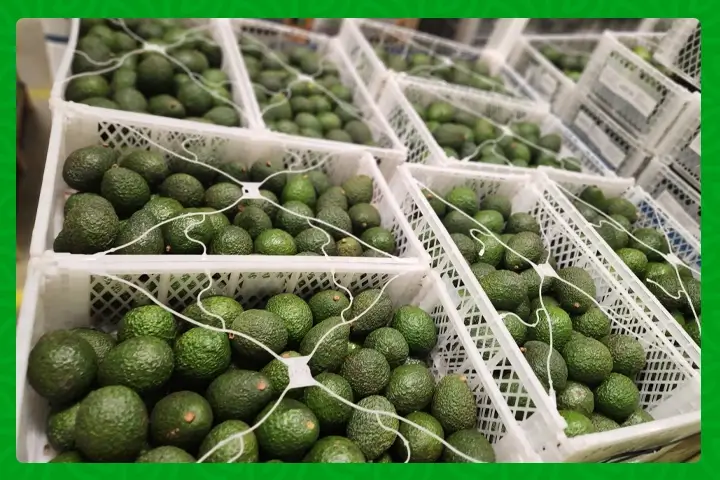
Rwanda’s avocado industry is entering a निर्णing moment. What was once a straightforward export journey to Europe and the United Kingdom is now shifting direction, as growers and exporters look شرق toward China to secure their future.
At the center of this pivot is a simple reality. Traditional markets are no longer as predictable or profitable as they once were. A surge in supply from competing exporters has crowded shelves in Europe, while global shipping disruptions have made trade routes more expensive and less reliable.
For Rwanda, the answer is not to slow down. It is to move smarter and faster.
أوروبا and the UK feel the pressure of oversupply
For years, the European market offered stability. Buyers were consistent, demand was strong, and Rwandan avocados carved out a niche for quality. That balance is now under strain.
Heavy shipments from South Africa and Kenya have flooded the market, creating a supply glut that is squeezing prices and limiting opportunities for newer exporters like Rwanda.
At the same time, demand in key الأسواق such as European Union and United Kingdom has softened. The result is a tougher environment where even premium fruit struggles to find the right buyers at the right price.
For farmers and exporters, this is more than a market shift. It is a direct hit to income and planning.
Shipping disruptions add to the الأزمة
The challenges do not stop at demand. Logistics have become increasingly unpredictable, especially along routes linked to the Middle East.
Disruptions around the Strait of Hormuz have pushed freight costs higher and extended delivery times. For a perishable product like avocados, delays can mean losses in quality and value.
Exporters now face a difficult equation. Higher transport costs eat into margins, while delayed shipments risk damaging relationships with buyers who expect consistency.
China emerges as a strategic opportunity
Against this backdrop, China is quickly becoming the market that Rwanda cannot ignore.
The appeal is clear. A vast consumer base, growing demand for fresh produce, and favourable trade terms make China an attractive destination. Zero tariff access under bilateral agreements further strengthens the case, allowing Rwandan exporters to compete more effectively.
But this shift is not just about escaping saturated markets. It is about aligning with future growth.
Rwanda’s avocado production is on the rise. With more trees coming into maturity, output is expected to double within the next two years. Without a large and reliable market to absorb that volume, the sector risks oversupply at home.
China offers scale. It offers growth. And most importantly, it offers room.
Building a system that can deliver
Tapping into China’s potential requires more than ambition. It demands structure, consistency, and investment.
The government, through the National Agriculture Export Development Board, is backing efforts to strengthen the avocado value chain. A key part of this strategy is the introduction of contract farming models, designed to ensure steady supply and improve farmers’ access to financing.
Consistency is everything in export markets. Buyers want reliability, not surprises. Contract farming helps align production with demand while giving farmers the confidence to invest in their orchards.
At the same time, the sector is focusing on quality. Meeting international standards, including Good Agricultural Practices, is essential for competing in demanding markets like China. This means better farm management, improved handling, and stricter quality control at every stage.
The infrastructure gap that must be closed
Even with strong demand, success will depend on logistics. Avocados are sensitive to time and temperature, and long-distance صادرات require efficient cold chain systems.
Industry leaders are calling for more investment in storage, transport, and market intelligence. Without these, Rwanda risks losing its competitive edge before it fully establishes itself in Asia.
Improved infrastructure does more than protect fruit quality. It builds trust with buyers and opens the door to premium pricing.
A sector learning to adapt
What is happening in Rwanda’s avocado industry is a lesson in resilience. Faced with saturated markets and rising costs, the sector is not standing still. It is adapting.
Exporters are diversifying destinations. Farmers are preparing for higher الإنتاج. Policymakers are creating frameworks that support long-term growth.
This is how industries evolve. Not by avoiding challenges, but by responding to them with strategy and intent.
Looking ahead to a bigger harvest
The next two years will be critical. As production increases, the need for stable, high-volume markets will become even more urgent.
If Rwanda successfully strengthens its foothold in China, it could transform a moment of ضغط into an opportunity for expansion. A well-executed pivot could position the country as a serious player in the global avocado trade.
For now, the direction is clear. Rwanda is looking beyond التقليدية routes and embracing new possibilities.
And in a world where markets shift quickly and competition grows stronger, that willingness to pivot may be its greatest advantage.
Stay updated with the latest farming tips and agriculture industry news from Africa by subscribing to our newsletter. Don’t miss out on valuable insights and updates. Follow us on Twitter, LinkedIn, and Facebook to join our farming community and stay connected with us.