Namibia’s beef industry has reached a defining moment. Savanna Beef Processors has officially secured export approval to the United Kingdom, the European Union, and the European Free Trade Association markets, opening the door to some of the most lucrative and tightly regulated beef destinations in the world.
For a company that has spent years preparing for this milestone, the approval is more than a regulatory win. It is the beginning of a new commercial phase that could reshape Namibia’s position in global beef exports.
A breakthrough years in the making
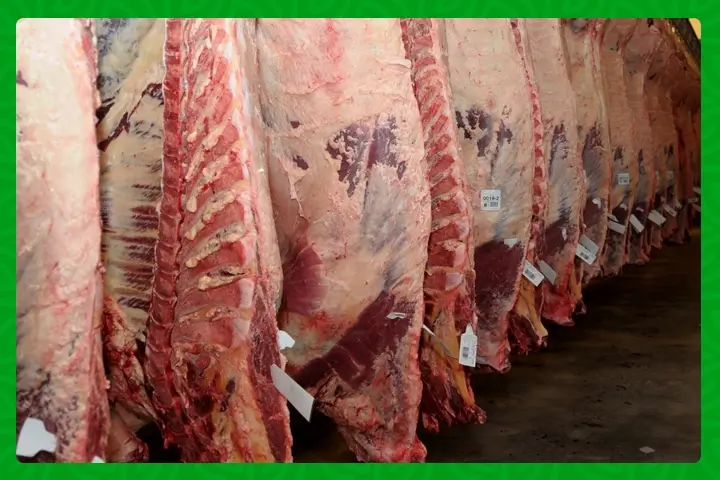
After a long and rigorous certification process, Savanna Beef has received the green light to export matured deboned chilled and frozen beef cuts to key international markets. The approval, valid until April 7, 2027, marks a critical turning point for the company, which had been operating below capacity while awaiting authorization.
Board chairperson Mecki Schneider described the moment as a major achievement, emphasizing that export certification had been one of the company’s top priorities over the past three years. With the certificate now secured, Savanna Beef is preparing to begin slaughtering cattle for export within days.
This shift is expected to immediately boost operational activity and revenue generation, moving the company out of its pre-export phase and into full commercial execution.
Access to premium global markets
The significance of this approval lies in the markets it unlocks. The United Kingdom and the European Union are known for strict quality standards, traceability requirements, and premium pricing structures. Gaining entry into these markets signals that Savanna Beef meets some of the highest benchmarks in the global meat industry.
In addition, access to the European Free Trade Association, which includes Iceland, Liechtenstein, Norway, and Switzerland, further expands the company’s reach into high-income consumer markets where demand for quality beef remains strong.
These regions are not just buyers. They are markets where consistency, certification, and product integrity command higher prices, offering exporters the opportunity to build sustainable and profitable trade relationships.
Scaling up production and capacity
With export approval in hand, Savanna Beef is now positioned to scale its operations significantly. The company plans to process around 50,000 head of cattle annually, a substantial increase from its current low-capacity operations.
Looking ahead, the ambition is even greater. Management has outlined plans to increase throughput to 100 large stock units per day, with a long-term target of 250 units per day once all export channels are fully optimized.
This growth trajectory reflects confidence not only in market demand but also in the company’s ability to meet international standards consistently.
A new era for Namibia’s beef value chain
One of the most innovative aspects of Savanna Beef’s operations is its producer-driven model. The upcoming slaughter cycle will include cattle traded on the Namibia Securities Exchange under the newly introduced slaughter right trading system.
This approach brings a new level of transparency and market participation to the beef value chain. It allows producers to engage more directly in pricing and supply dynamics, potentially improving returns and strengthening the overall ecosystem.
For Namibia’s agricultural sector, this could signal a broader shift toward more structured and market-oriented systems that align producers, processors, and exporters.
Strong investor backing and financial momentum
Savanna Beef’s progress has been supported by a solid base of investor confidence. The company has attracted approximately 730 shareholders who have collectively invested around N$400 million, equivalent to about US$24.42 million.
This includes significant private equity funding, recently reinforced by an additional N$40 million investment from BPF Windsor Holdings Ltd. Such backing reflects belief in the company’s long-term strategy and its ability to compete in global markets.
While the company reported an operating loss of N$9.75 million for the six months ending August 31, 2025, this was largely expected during the pre-export phase. With export activity now set to begin, the focus shifts toward revenue growth and operational efficiency.
Job creation and economic impact
Beyond exports and revenue, Savanna Beef’s expansion carries important implications for employment and economic development.
As of late August 2025, the company employed 84 workers. With operations scaling up, that number is expected to grow to around 220 employees. This increase represents more than just jobs. It reflects the ripple effect of a growing agro-processing sector, from farm-level production to logistics and export services.
For Namibia, investments in value-added agriculture like beef processing can play a key role in diversifying the economy and creating sustainable employment opportunities.
What this means for the future of Namibian beef exports
Savanna Beef’s export approval is not an isolated success. It is a signal that Namibia’s beef industry is ready to compete on a global stage.
With access to premium markets, a scalable production model, and strong investor support, the company is well positioned to become a significant player in international beef trade. At the same time, its producer-driven approach and innovative trading systems could influence how the broader sector evolves.
For stakeholders across the value chain, from farmers to investors, the message is clear. The opportunity in Namibian beef is growing, and those who are ready to meet global standards stand to benefit the most.
As Savanna Beef begins its first export cycle, all eyes will be on how quickly it can translate certification into consistent supply and strong market presence. If successful, this milestone could mark the start of a new growth chapter for Namibia’s beef industry.
Stay updated with the latest farming tips and agriculture industry news from Africa by subscribing to our newsletter. Don’t miss out on valuable insights and updates. Follow us on Twitter, LinkedIn, and Facebook to join our farming community and stay connected with us.