Namibia’s horticulture sector closed the fourth quarter of 2025 on a strong note, with grape exports rising to more than N$1.2 billion, or about US$65 million. According to the Namibia Statistics Agency, total horticulture export earnings reached N$1.3 billion, equal to roughly US$70 million, underscoring the growing strength of the country’s fresh produce industry.
For Namibia, this is more than a good quarterly result. It is a clear sign that horticulture is becoming one of the country’s most dependable agricultural growth engines. At the center of that performance are table grapes, a premium export crop that continues to find strong demand in Europe.
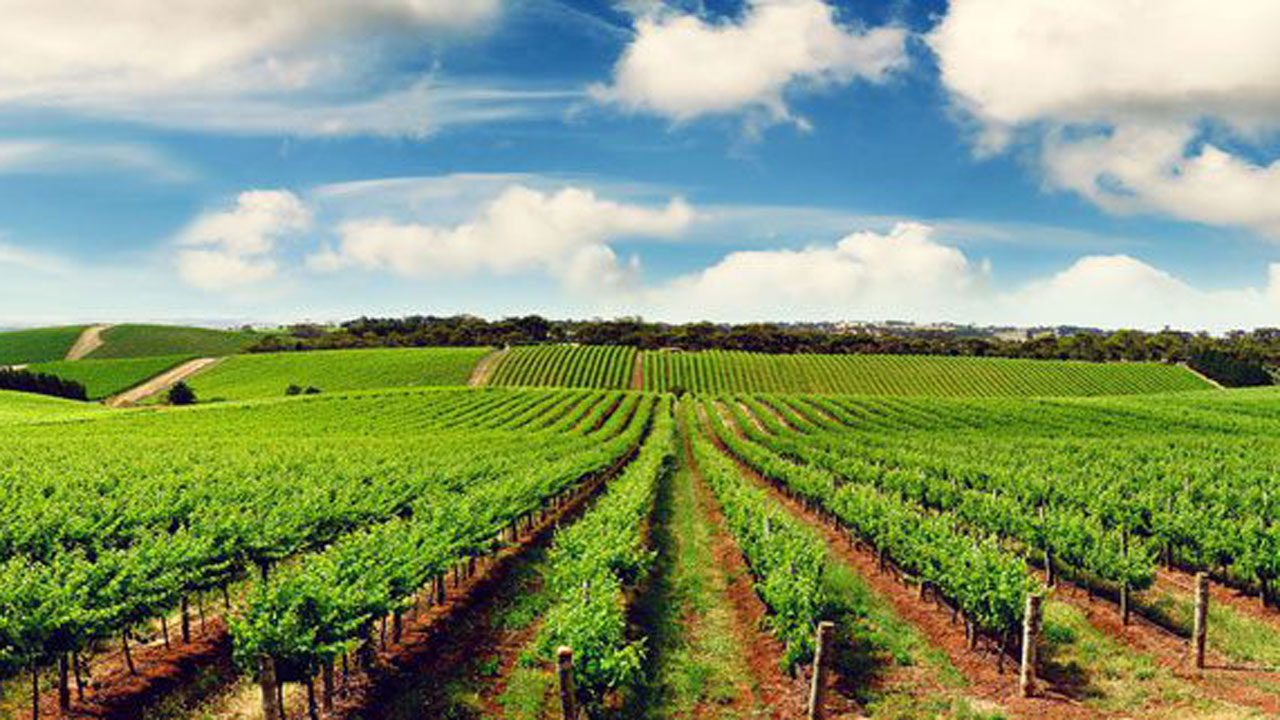
Grapes power Namibia’s horticulture export growth
The latest figures show just how important grapes have become to Namibia’s export economy. Their performance in the fourth quarter helped lift the entire horticulture category, making grapes one of the country’s most valuable agricultural export products.
Key destinations included the Netherlands, the United Kingdom, and Germany. That pattern matters. It confirms that Europe remains the core market for Namibian fresh produce, especially high-quality fruit that can meet the standards of premium international buyers.
This is where Namibia has a real opportunity. Grape exports do not just generate foreign currency. They also reward consistency, quality, logistics, and timing. In other words, they favor producers and investors who can deliver exactly what the market wants, when it wants it.
Why horticulture is outperforming agronomy
The contrast between horticulture and agronomy in the quarter could not be sharper.
While horticulture export earnings surged, agronomy products recorded a dramatic decline in export value. Earnings from agronomy exports fell by 79.5 percent to just N$175,500, or about US$9,500. Maize made up 99.9 percent of those export earnings, showing how concentrated and vulnerable the segment remains.
That performance tells an important story. Agronomy can support food supply and local production, but it does not always translate into strong export income. Horticulture, on the other hand, especially table grapes, has far greater value per unit and far stronger access to premium markets.
For investors, the message is hard to ignore. Namibia’s agricultural upside is not spread evenly across all crops. The most attractive opportunities are concentrated in value-driven horticulture chains, where quality, packaging, cold storage, and export readiness can make a major difference to returns.
Agriculture’s broader role in Namibia’s economy
Speaking on the sector’s performance, NSA Statistician General Alex Shimuafeni highlighted agriculture’s wider importance to the country. He noted that agriculture, forestry, and fishing remain central to food and nutrition security, job creation, and income growth.
That point matters because agricultural growth in Namibia is not only about exports. It is also about livelihoods. When horticulture expands, the benefits can move through the economy in several ways. More jobs are created on farms, in packing facilities, in transport, and in logistics. More income flows into rural communities. More businesses are needed to support storage, quality control, and trade.
The rise in grape exports therefore reflects something bigger than a strong sales quarter. It reflects the maturing of a sector with the potential to create long-term economic value.
Import trends reveal domestic demand gaps
Even as exports strengthened, Namibia continued to import a significant amount of horticulture products. Horticulture imports remained steady at N$327.1 million, or about US$18 million, with potatoes, apples, and bananas leading the way.
This suggests a stable domestic demand for produce that is either not grown locally or not produced in sufficient volumes. For suppliers in the Southern African Development Community, that opens a practical opportunity. Regional producers that can reliably supply these crops may find a ready market in Namibia.
The import pattern also highlights a broader reality: Namibia’s horticulture sector is growing, but it still has room to deepen local production and reduce dependence on imports where viable. That creates opportunities not only for growers, but also for distributors, traders, and agri-processing businesses.
The investment case for Namibian grapes
For anyone looking closely at Namibia’s agricultural economy, the grape story is especially compelling. Table grapes are a premium crop. They require discipline, quality control, and export efficiency, but they also reward those strengths with strong market access and attractive revenue potential.
The quarter’s results show why investors should pay attention to the full value chain. The best opportunities are not limited to farming alone. Cold storage, packhouses, transport, export logistics, and market coordination all play a role in turning fresh grapes into export earnings.
That is where Namibia can build real competitive advantage. If the country continues improving infrastructure, data systems, and trade readiness, it can strengthen its position as a reliable supplier of fresh produce to Europe and beyond.
Better data could unlock smarter growth
Shimuafeni also pointed to the need for better data systems in the sector, calling for improvements in the availability, quality, and accessibility of agricultural statistics.
That is a practical and timely concern. In agriculture, good data helps everyone make better decisions. Producers can plan planting cycles more effectively. Exporters can forecast demand. Investors can identify high-potential value chains. Policymakers can design support measures based on real trends rather than guesswork.
For a sector with rising export importance, stronger data visibility could make the difference between steady growth and missed opportunity.
A sector with momentum and room to grow
Namibia’s fourth-quarter 2025 horticulture performance sends a powerful message. The country is not just producing grapes. It is building an export story around them.
With more than N$1.2 billion in grape exports and total horticulture earnings reaching N$1.3 billion, the sector has shown that it can generate real value at scale. Europe remains a strong market, demand is healthy, and the investment case for horticulture is becoming clearer.
At the same time, the weakness in agronomy exports highlights the need for strategic focus. Namibia’s agricultural future will likely belong to the segments that combine quality, market access, and export discipline. Right now, grapes are leading that charge.
For investors, growers, and policymakers alike, the lesson is simple. Namibia’s horticulture sector is no longer a side story. It is becoming one of the country’s most promising growth engines.
Stay updated with the latest farming tips and agriculture industry news from Africa by subscribing to our newsletter. Don’t miss out on valuable insights and updates. Follow us on Twitter, LinkedIn, and Facebook to join our farming community and stay connected with us.