A palpable urgency has settled over South Africa’s farms. Recurrent outbreaks of Foot and Mouth disease are no longer just an animal health story. They are a livelihood story, an export story, and for many farmers a daily worry about whether the next market will accept their animals. In response, authorities have accelerated work on vaccine procurement, stronger animal movement controls, faster livestock identification, expanded diagnostics and stepped up outreach to producers and traders.
The government is pairing these public measures with outreach to private and international vaccine makers. One visible sign of that outreach came in November when Argentina based Biogénesis Bagó, a specialist in FMD vaccines, carried out an exploratory visit to assess regulatory hurdles, logistical capacity and how it might support South African authorities. Officials and company representatives say the talks were pragmatic and technical, focused on matching vaccine supply options to local needs.
Why this matters right now
Foot and Mouth disease spreads fast among cloven hoofed animals and can ricochet through markets, transport routes and processing plants. Infected animals suffer fever and painful lesions that sharply reduce milk yield, weight gain and fertility. Control measures such as quarantines, movement bans and culling quickly add cost and complexity for farmers. The stakes are high because export bans often follow outbreaks, directly hitting national earnings and household incomes in livestock dependent communities.
Putting vaccination at the center of the response
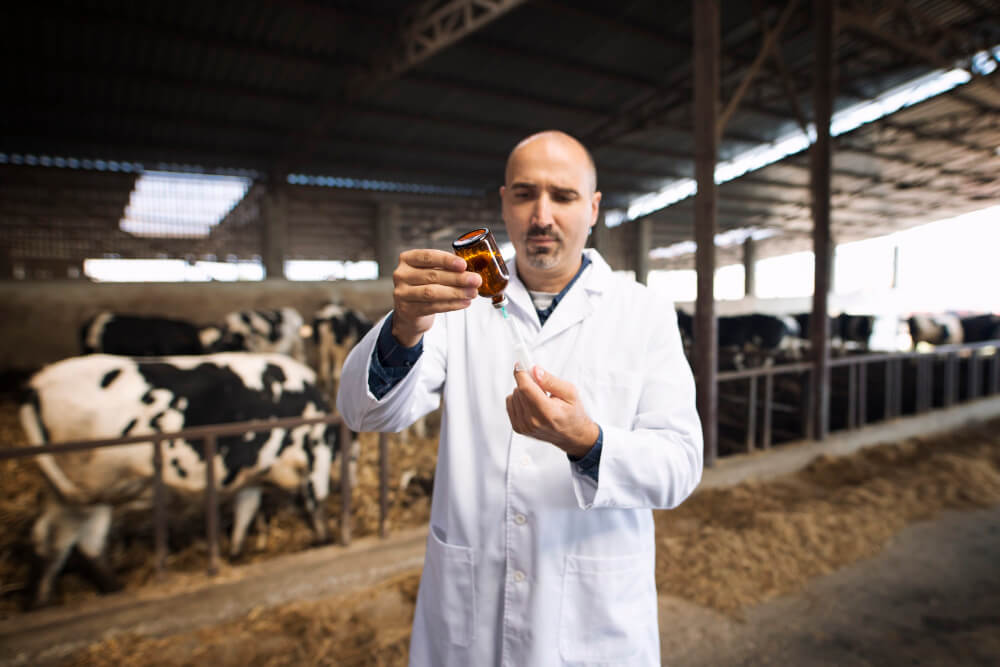
Vaccination is not a magic solution, but when used correctly, it is one of the most powerful tools in the arsenal. South Africa’s current strategy targets systematic vaccination in high-risk zones, aiming for broad coverage in communal herds, feedlots and dairy units while maintaining strict movement controls in buffer areas. Building capacity for cold chain storage, training vaccinators and tracking post vaccination responses are all part of the plan. The government has publicly signalled a commitment to secure large quantities of vaccine and to build longer-term prevention infrastructure.
What vaccine partnerships could deliver
Working with experienced manufacturers like Biogénesis Bagó can shorten the time needed to obtain suitable vaccine formulations. The practical gains are straightforward. Suppliers can advise on which antigens best match circulating virus strains, how rapidly vaccine batches can be formulated from antigen reserves, and how to scale up cold chain and logistics so doses arrive where they are needed. These technical conversations also help regulators set standards for efficacy and quality so vaccination campaigns achieve real impact rather than a superficial tick in a box.
Lessons from other countries
Experience from Argentina, Vietnam, Indonesia and South Korea shows that early coordination between government, industry and farmers limits the spread and reduces financial damage. Vaccination works best when it is targeted, when the vaccine matches the circulating serotype, and when it is accompanied by robust surveillance and market rules. Where those elements are weak, outbreaks linger and trade restrictions last longer.
The human side of the crisis
Beyond the technical detail are hundreds of human stories. A dairy farmer in KwaZulu Natal who depends on milk sales for school fees cannot afford to lose herd productivity. A feedlot operator managing thousands of cattle faces quarantine days that disrupt processing schedules. Traders who rely on live animal markets need clear rules and fast testing so transactions do not grind to a halt. Those short term shocks ripple through rural towns where service businesses, transporters and vets all feel the squeeze.
When vaccine supply is uncertain or roll out is patchy, anxiety rises and reporting can fall. Some farmers delay reporting because they fear quarantine or compensation dysfunction, and that delay fuels further spread. Outreach and trust building matter as much as vaccine logistics.
Risks and practical hurdles
Several practical obstacles could blunt the impact of vaccine partnerships if they are not addressed. First, vaccines must be matched to the virus strains circulating locally. Second, the cold chain and distribution network must be robust enough to keep potency intact. Third, consistent record keeping and animal identification are vital so authorities know where vaccinated animals are and how herd immunity is progressing. Finally, the social contract between government and farmers must hold so reporting and compliance do not break down when time and money are tight.
What success looks like
If vaccine partnerships and government planning come together, success will be plain to see. Outbreak incidence in high risk provinces should fall sharply within months. Market access for South African beef and related products should stabilize. Farmers will be able to plan around predictable vaccination campaigns and markets will regain confidence. Critically, the recovery will be welfare focused with compensation, targeted relief for smallholder producers and clear communications so people know what to do when cases appear.
Practical next steps for policy makers and industry
- Fast track regulatory pathways for proven vaccine formulations while keeping safety and efficacy standards high.
- Invest in cold chain upgrades and mobile vaccination teams to reach communal and remote herds.
- Scale livestock identification and digital movement tracking so vaccinations and outbreaks are traceable.
- Fund diagnostic laboratories and rapid testing at markets and abattoirs to avoid long blind spots.
- Pair vaccination with farmer support measures to maintain trust and encourage timely reporting.
Conclusion
South Africa is confronting a complex animal health emergency in real time. The technical challenges are solvable, but only if action is joined up. Vaccine partnerships bring expertise, production capacity, and practical know how. Government leadership can provide regulatory clarity and resources. Farmers and industry bring the local knowledge and urgency needed to make campaigns work on the ground. Together they can blunt the impact of Foot and Mouth disease on exports, incomes and food security. If those pieces come together, the months ahead could mark a turning point from crisis response to durable resilience.
Stay updated with the latest farming tips and agriculture industry news from Africa by subscribing to our newsletter. Don’t miss out on valuable insights and updates. Follow us on Twitter, LinkedIn, and Facebook to join our farming community and stay connected with us.