South Africa’s cattle country is trading optimism for caution. In 2025 farmers and feedlot operators finally saw some price relief, as tighter global and local supplies pushed slaughter values higher. Yet a stubborn outbreak of foot and mouth disease and the difficulties of winning back export markets have turned what looked like a recovery into a delicate balancing act between hope and very real risk.
What changed on the ground this year
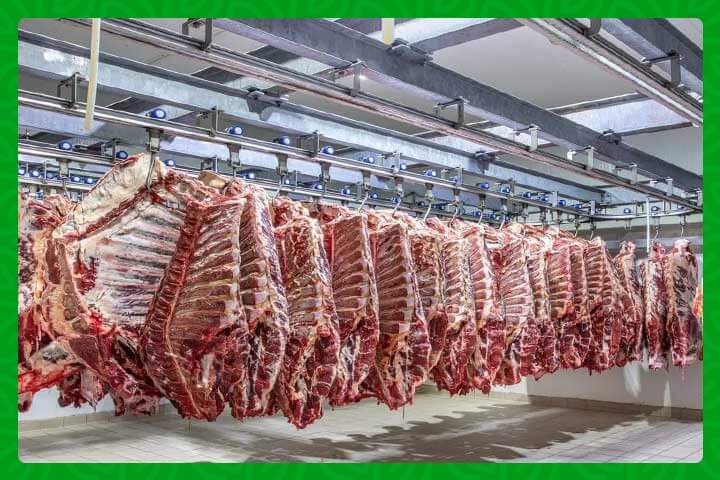
For the first half of 2025 the market tone shifted. Between February and May slaughter cattle prices climbed by about 15 percent, driven largely by scarcity of animals rather than panic or sudden disease shocks. Smaller herd sizes and reduced slaughter volumes at home and overseas supported those firmer prices, and many producers welcomed a break from the squeeze of earlier years.
That relief, however, masks a fragile foundation. Lighter animals and fewer slaughter numbers mean that while prices are up, total meat available for the market has fallen. Industry estimates suggest slaughter volumes may drop 5 to 7 percent in 2025 compared with 2024, and that overall meat production could decline by between 13 and 15 percent because animals are lighter. Those figures explain why higher prices have not translated into long term comfort for the sector.
The disease that refuses to leave the headlines
Foot and mouth disease has been a continuous challenge for South African livestock since 2019. In 2025 outbreaks intensified in several provinces and directly disrupted feedlots and processing capacity. The knock on the market was immediate, with outbreaks adding roughly 10 percent to cattle prices in affected areas as quarantines and movement restrictions squeezed supply and raised costs for biosecurity and testing.
For farmers the economic hit is double edged. They face higher input costs to keep animals healthy and to comply with quarantine rules, while at the same time losing access to some lucrative export buyers when outbreaks are announced. The net effect is lost income in outbreak zones and a weaker national narrative to attract buyers abroad.
Vaccination is in motion, but trade barriers remain
By late November 2025 the government announced a national vaccination programme aimed at stemming the spread and restoring confidence in the herd. Authorities reported that about 950,000 animals were vaccinated from government stock, and that priority area campaigns and plans to scale up vaccine supplies were being rolled out. The aim is to blunt new outbreaks and create the cover needed to negotiate trade terms for vaccinated herds.
Vaccination is necessary but not sufficient. Export purchasers often require formal health certificates and negotiated agreements before reopening markets. Industry leaders are clear that governments and exporters must work in tandem to turn a vaccine campaign into resumed shipments. Without clear, fast moving trade arrangements, vaccinated herds may still find doors closed.
Exports, market shifts and the long term prize
South Africa shipped roughly 38,000 tonnes of beef in 2024, a healthy base for exporters. But 2025 saw a sharp reversal, with an estimated 30 percent decline in exports as some markets closed their doors amid disease concerns and specific buyers, including China at times, restricted imports. That decline has pushed exporters to diversify, including targeting Middle Eastern buyers and exploring opportunities in Southeast Asia, though access depends on regulatory approvals and bilateral agreements.
The export angle matters because sustained domestic demand alone may not be enough to keep prices at the levels that make production profitable. Opening and stabilising overseas markets will determine whether the improved prices of 2025 can carry the sector through the next few years.
A simple playbook to stabilise the industry
The path back to stability is clear in outline, if tough in detail. First, rapid and well resourced vaccination campaigns must be matched with transparent reporting and traceability, so buyers can see the health status of consignments. Second, the government and industry must prioritise negotiating trade agreements for vaccinated herds and get those agreements certified quickly. Third, producers need short term financial support to cover biosecurity upgrades and to keep animals healthy while the market normalises.
If these measures arrive together, the industry could stabilise in 2026 and 2027. If they do not, higher prices driven by scarcity will remain vulnerable to the next outbreak or to shifting international rules.
What this means for the everyday South African
For the consumer, beef has become more expensive, especially for premium cuts, yet remains competitive by international standards. For the farmer, 2025 offered a bittersweet respite. Higher prices helped the cash flow, but only where animals were available for sale and where farms were not under quarantine. For the feedlot operator and exporter the immediate task is to convert the short term pricing gains into sustainable market access and to avoid repeating the cycle of boom and bust.
The South African beef sector is resilient but not immune. A combination of smaller herds, stronger prices and the spectre of foot and mouth disease means the next 12 to 24 months will test the speed and competence of policy, industry coordination and market diplomacy. If vaccination programmes are followed by swift trade negotiations and investment in traceability, the industry has a fighting chance to lock in the gains of 2025 and to rebuild export momentum. If not, the temporary lift in prices will feel more like a pause than a recovery.
Stay updated with the latest farming tips and agriculture industry news from Africa by subscribing to our newsletter. Don’t miss out on valuable insights and updates. Follow us on Twitter, LinkedIn, and Facebook to join our farming community and stay connected with us.